Benefits and Types of Low-Till Systems
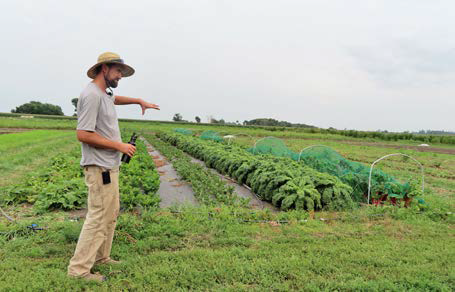
Soil quality is critical on vegetable farms, which often feature intense growing systems with beds turning over multiple crops per season and high-value crops that are directly affected by soil moisture and nutrient availability. No-till and low-till production methods, when correctly used, can suppress weeds and improve soil structure. Low-till, along with its companion practices and terms – no-till, reduced tillage, conservation tillage, strip-till and ridge-till – are conceptualized and practiced differently by farmers around the country (and the world). For the Kaisers, as outlined on their farm website, nearly every aspect of farm management hinges on the three basic principles of soil management: disturb the soil as little as possible; keep a diversity of living plants in the ground as often as possible; and keep the soil covered and protected as often as possible.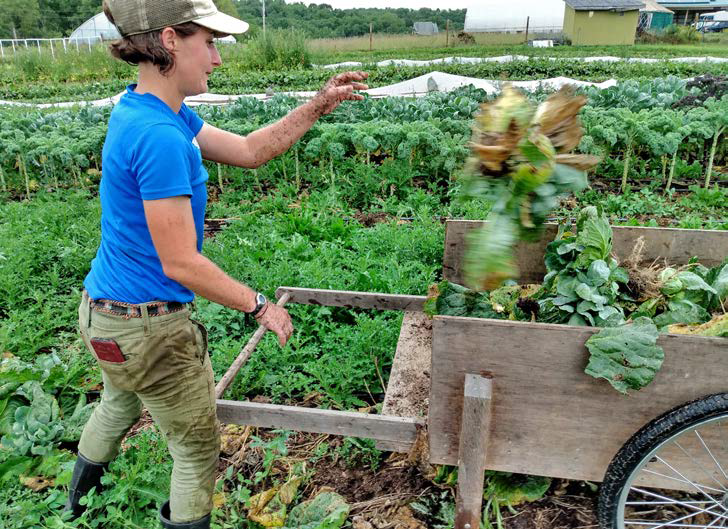
Doing Research for Farm-Specific Answers
In 2019, to investigate the potential of no-till vegetable production on their farms, Emily, Hannah and Jordan together applied for and received a two-year grant through the U.S. Department of Agriculture's Sustainable Agriculture Research & Education (SARE) program. For the project, which included the 2020 and 2021 growing seasons, each farm tested different soil treatments to assess impacts on soil quality, management practices and crop health. At Middle Way Farm, Jordan tested three treatments: rototilling with regular amendments, compost-only application and a combination of rototilling and compost. The Humble Hands Harvest team compared rototilling and compost treatments. Realizing other farmers could benefit from what they learned through the project, Practical Farmers of Iowa partnered with both farms, as well as researchers at the University of Wisconsin-Madison and other PFI members, to offer a four-part “Reduced Tillage Vegetable Production Web Series” in August 2021. The first two episodes featured University of Wisconsin-Madison researchers Rue Genger and Clare Strader, and Dylan Bruce of Wisconsin-based Circadian Organics. All three have been exploring no-till methods with farmers in a statewide community of practice for the last several years and shared findings from research and ongoing projects.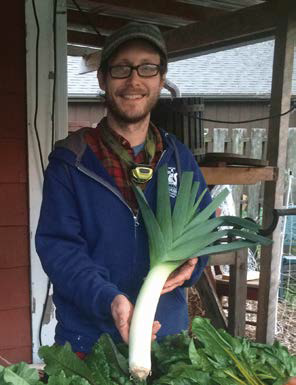
Nuanced No-Till Experiences
The farmers at Humble Hands Harvest and Middle Way Farm have each had different experiences with their forays into reduced tillage, which they shared in the fourth and final episode of the web series. Emily and Hannah found the practice immediately addressed their initial concern: They were able to get into the field earlier in the season to plant. They did find their no-till beds were more labor-intensive. But Emily says part of the reason in 2020 might be because their zucchini crop, one of three crop types tested in their research that year (they're still analyzing 2021 data), grew significantly better in the no-till plot. “The yield from the no-till bed was double that of the tilled bed,” Emily says. “The plants were just huge and beautiful and gorgeous, and the harvest window was very long for the no-till planting. The zucchinis in the tilled planting were tiny and got overgrown with grass very quickly. “Our labor [in the no-till plot] was triple, which is interesting, but is tempered by noting that we spent a lot of time harvesting that and didn't ever harvest the tilled bed.” Some of that labor demand was also due to more time spent weeding by hand, along with performing careful bed preparation during turnover between crops and applying compost. In the end, Emily and Hannah have decided that the benefits outweigh the challenges of a no-till system. Jordan's reduced tillage experience so far has been mixed. His approach has always focused on reducing tillage, rather than eliminating it. He has found his most successful system involved tilling, which ultimately stimulates the seed bank prior to using no-till methods. Upon reflection, Jordan sees the most benefit from tillage followed by reduced-till methods continued over a longer period.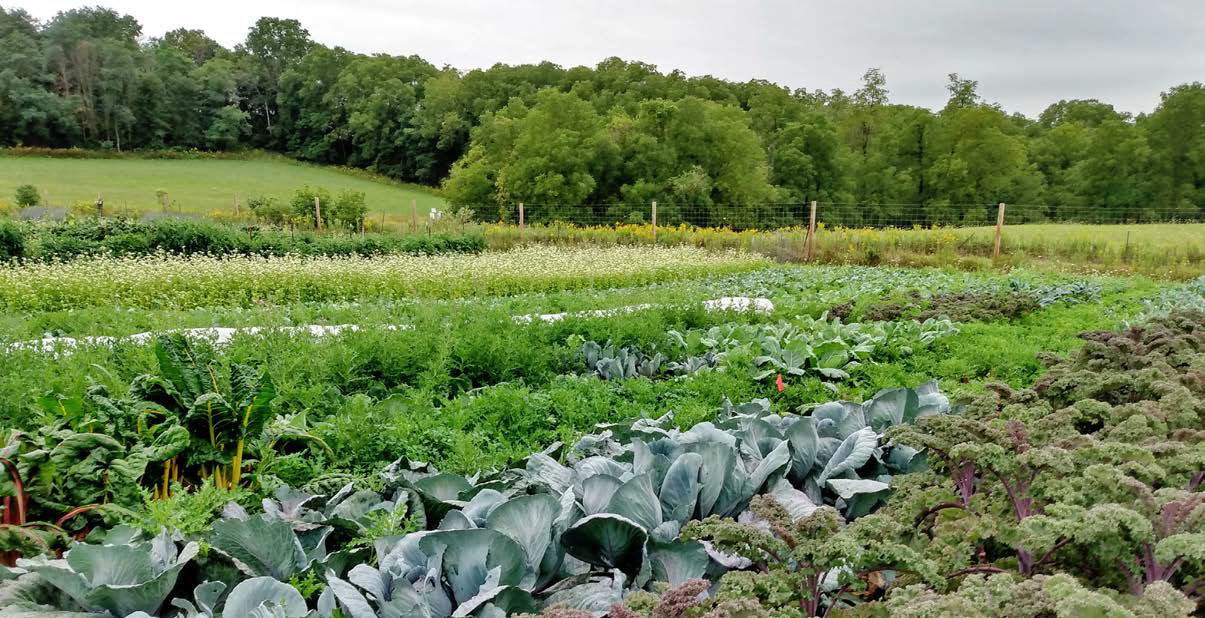
Learn More
- practicalfarmers.org/reduced-tillage-vegetable-production-web-series
- Singing Frogs Farm – singingfrogsfarm.com
- SARE project link: projects.sare.org/project-reports/fnc20-1249