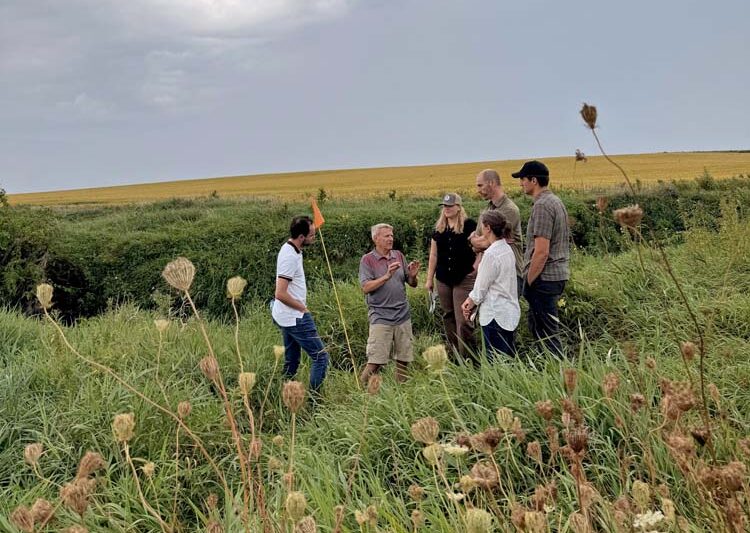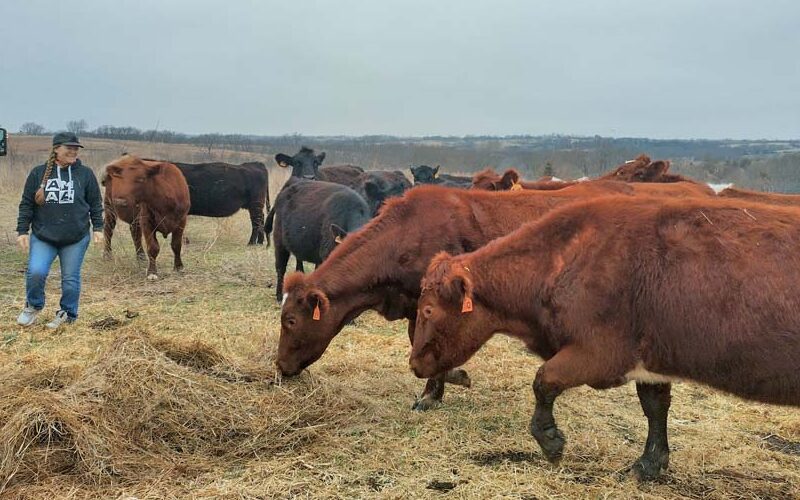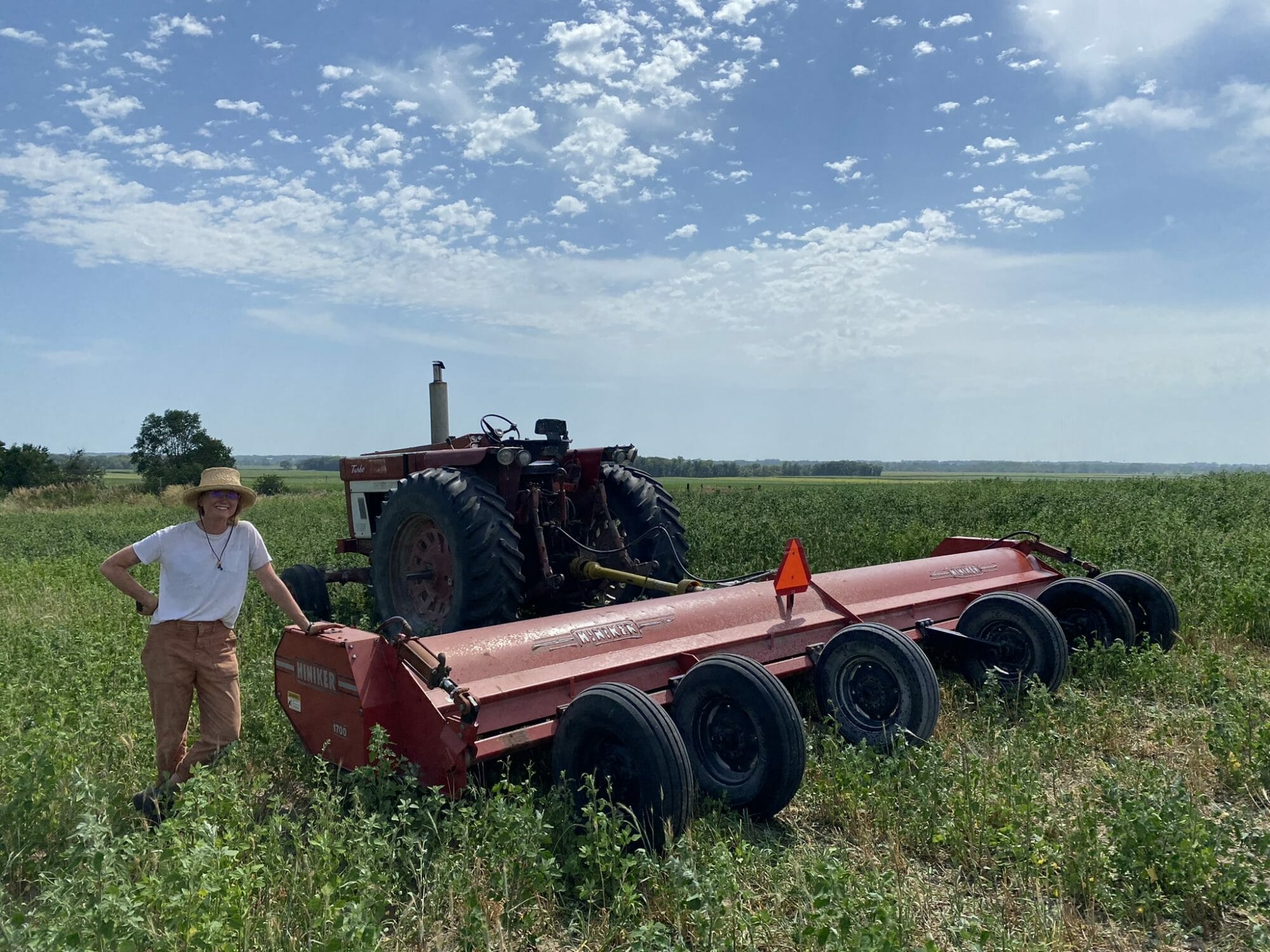
“You can't learn to farm regeneratively. You have to experience it.” - Adam Daugherty, Tennessee National Resources Conservation ServiceMany claim there is a growing disconnect between agricultural researchers and farmers. University extension services and academic institutions are often criticized for being out of step with the latest innovations occurring on farms across America. Given this disconnect, producers are turning to their neighbors, as well as online resources, to answer questions that typical agricultural resources cannot. Going into the third year of my PhD in soil science and sustainable agriculture, I was beginning to feel a divide between my research and what was occurring on farms. I had read every scientific paper I could find on no-till agriculture, cover cropping and their respective impacts on soil health and farm economics, but I lacked the relevant context to put my knowledge to work. If I wanted to conduct research to benefit farmers across the Midwest, shouldn't my first step be to connect with these farmers on their home soil? To better understand the challenges and successes row crop producers face every day, I set out on a great road trip to experience the heartland of American agriculture. Thanks to the Practical Farmers of Iowa network, I had the privilege of speaking with growers across Iowa & southern Minnesota using a range of management programs. I met farmers experimenting with relay cropping, roller crimping and organics; producers maximizing their yields while using conservation practices; growers who have no-tilled since the 80s, as well as those using strip-till for the first time; large-scale producers managing over 40,000 acres and those managing just over 300. After 30 days on the road, I sat down with my notes and photos to internalize what I learned. Despite the differences in location, operation size and goals held by the producers I met, nearly everyone emphasized these four themes as essential to a successful operation:
- commitment
- context
- carbon
- community
Commitment
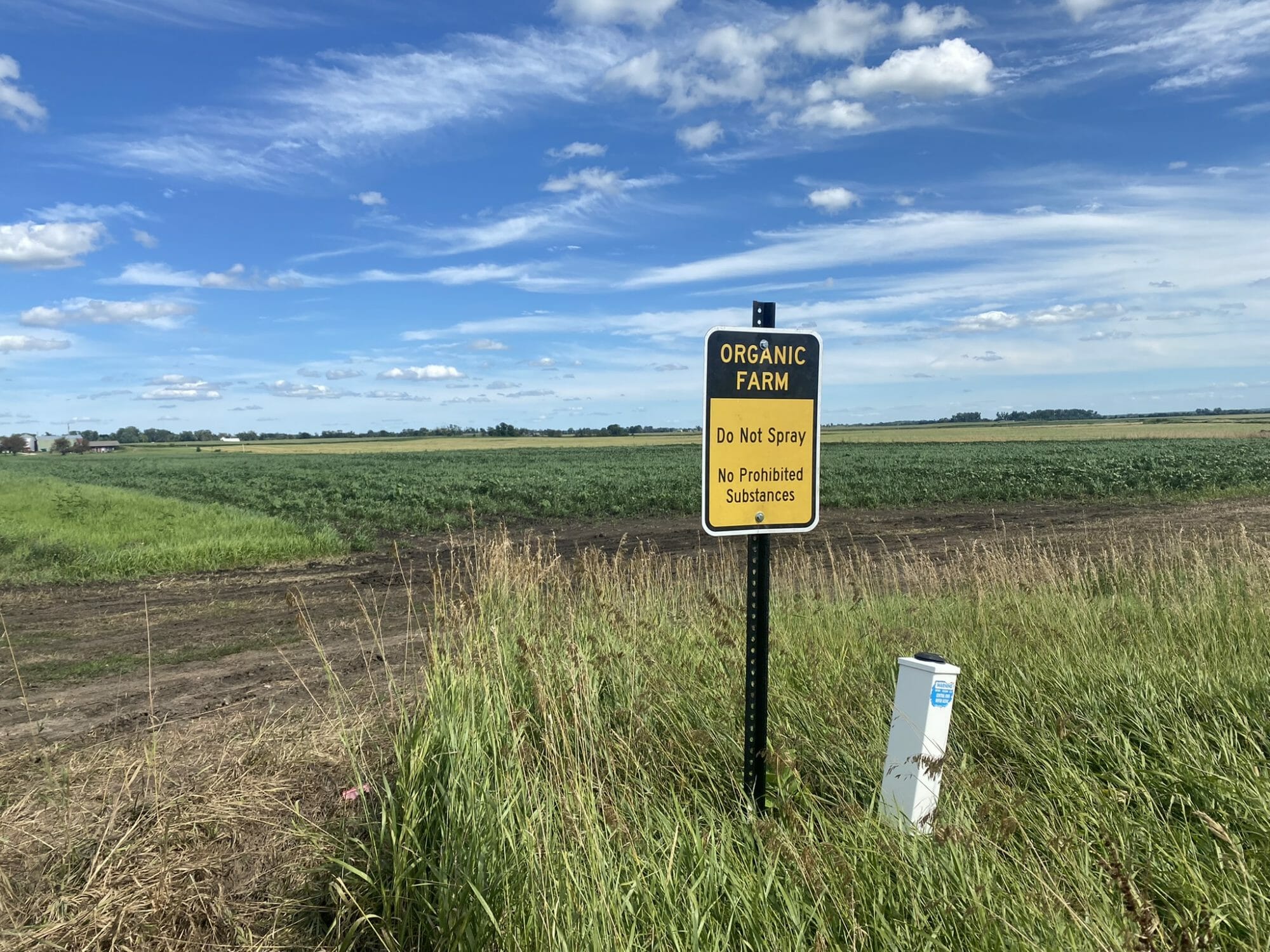
The first thing that stood out to me about these innovative farmers, was their commitment to seeing their land as a complex ecosystem. For many farmers, farming ecologically required a deeper understanding of soil biology, namely, the interactions between soil nutrients, microbes and plants. Much of this knowledge is gained through years of on-farm observations and a commitment to self-education. According to Loran Steinlage of West Union, IA, farming in an ecological way requires a commitment to doing less, even if it goes against what is accepted practice. For Loran, this meant letting go of aesthetic norms that glorify weed-free fields and abundant crop growth early in the season. “The less I do, the more money I make,” said Loran of his decision to use no-till and relay cropping on most of his acres. Commitment to farming in an ecological way also requires a shift in focus towards long-term production goals. According to Scott Wedemeier, who produces diverse forages for his organic dairy cattle in Northeastern Iowa, production goals should not be defined by a growing season but should reach into the long term. When Scott decided to seek organic certification for his dairy operation, he was thinking about the next 20 to 30 years of his operation. Scott asked himself, “What is the best choice for this land and my family? What is the best financial choice in the long run?”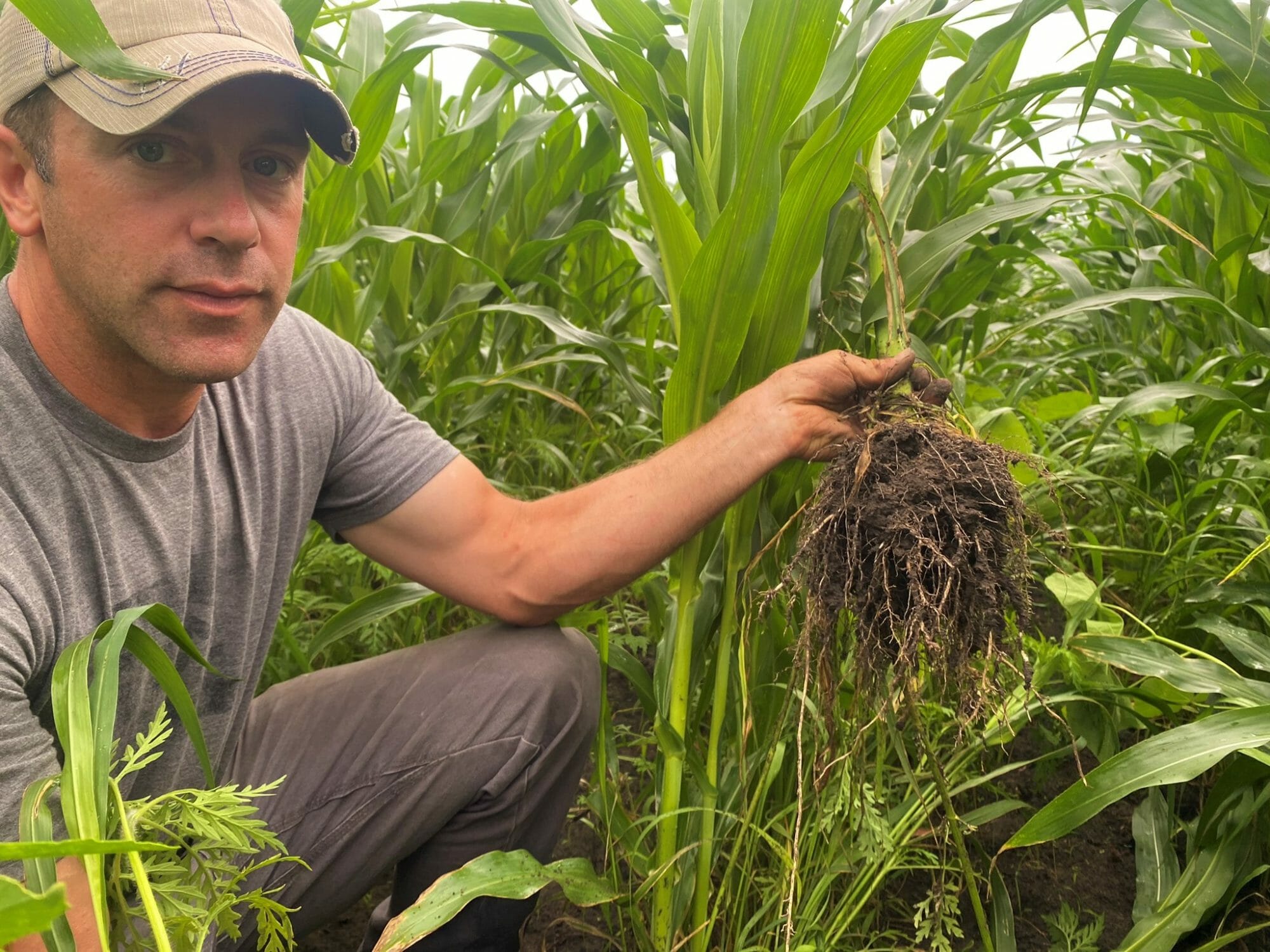
Context
In my travels across the state, I saw a broad range of management solutions to region-specific resource challenges. For example, no-till and cover crops were used heavily in the southeastern part of the state where soil and moisture conditions are favorable, while strip tillage was more common in the central part of the state. There are no one-size-fits-all solutions for conservation management, especially in a state with such diverse soil and hydrologic conditions. The most successful soil-health producers are masters of the unique context of their operation. For example, Lee Tesdell of Polk County understands the impact of his management practices on nearby Fourmile Creek, a tributary of the Des Moines River. He has established filter strips and a wood chip bioreactor to reduce the impacts of nutrient runoff, as well as prairie strips to support pollinator populations.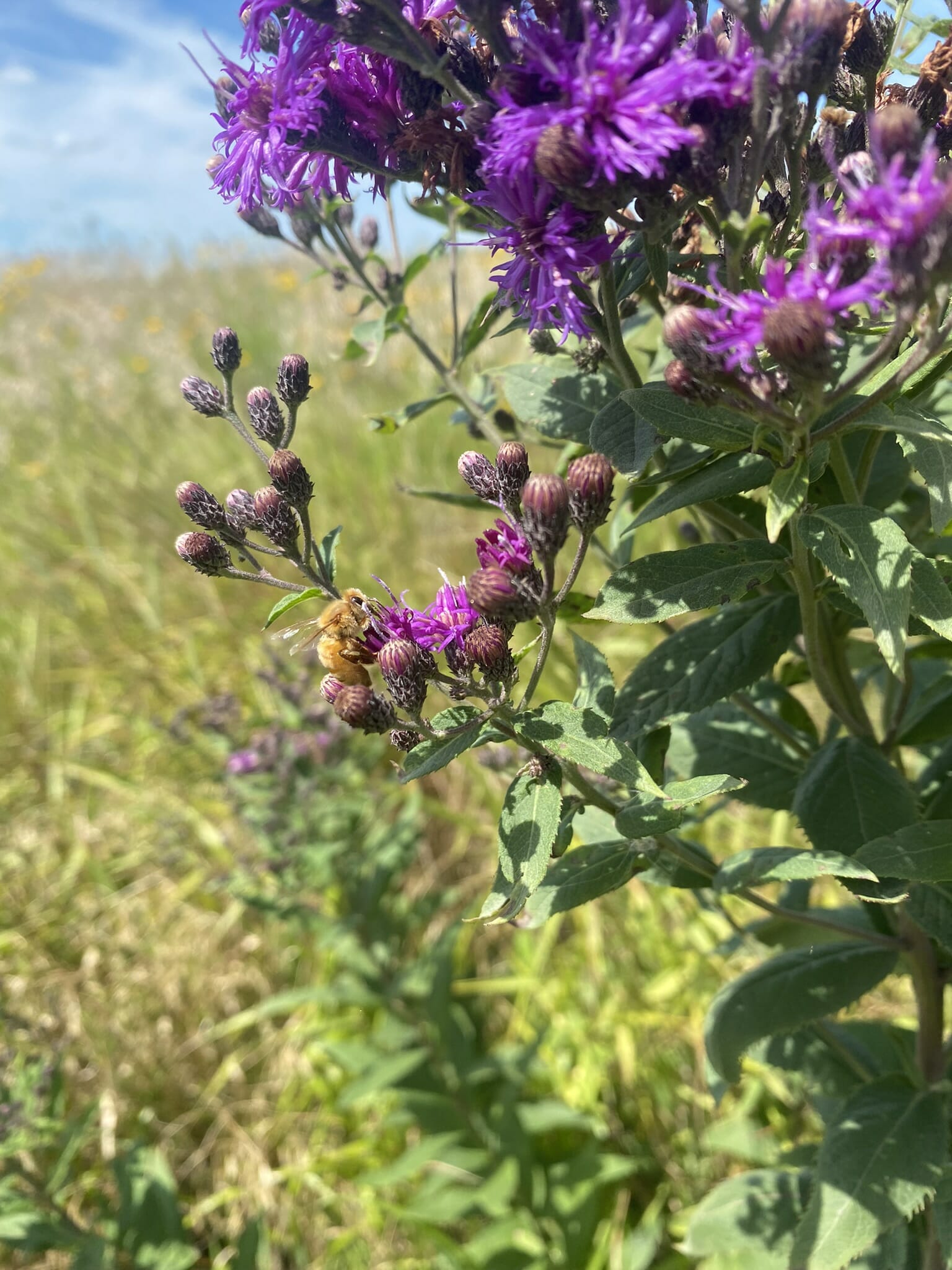
Carbon
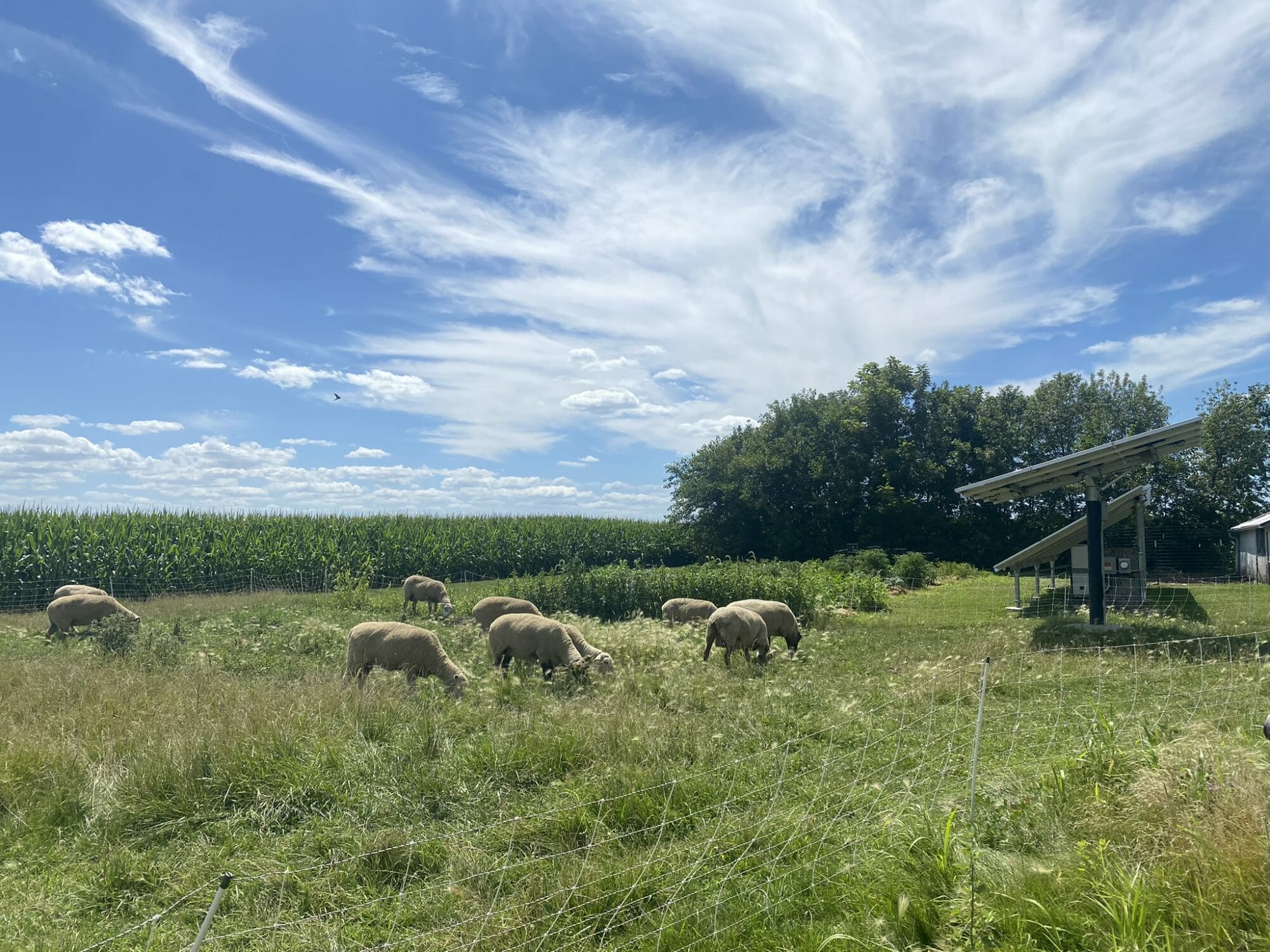
- minimizing disturbance
- keeping soil covered
- maintaining living roots
- increasing diversity
- integrating animals
Community
Farmers new to soil-health practices are seeking mentorship from experienced practitioners, using networks like Practical Farmers of Iowa as a catalyst for connection. When producers choose to farm as a community, they learn from the successes and failures of those around them. In an increasingly divided and competitive world, Noah Wendt expressed that their approach to collaborative farming has brought their neighbors together. “I now know I can visit just about any of my neighbors to share a few beers and ‘talk shop'.” In addition to building social support, this collaborative mentality is leading to new business partnerships for A&W Farms. They are co-investing with a neighboring agricultural business in an organic grain elevator to create new high-value market opportunities for producers in their region.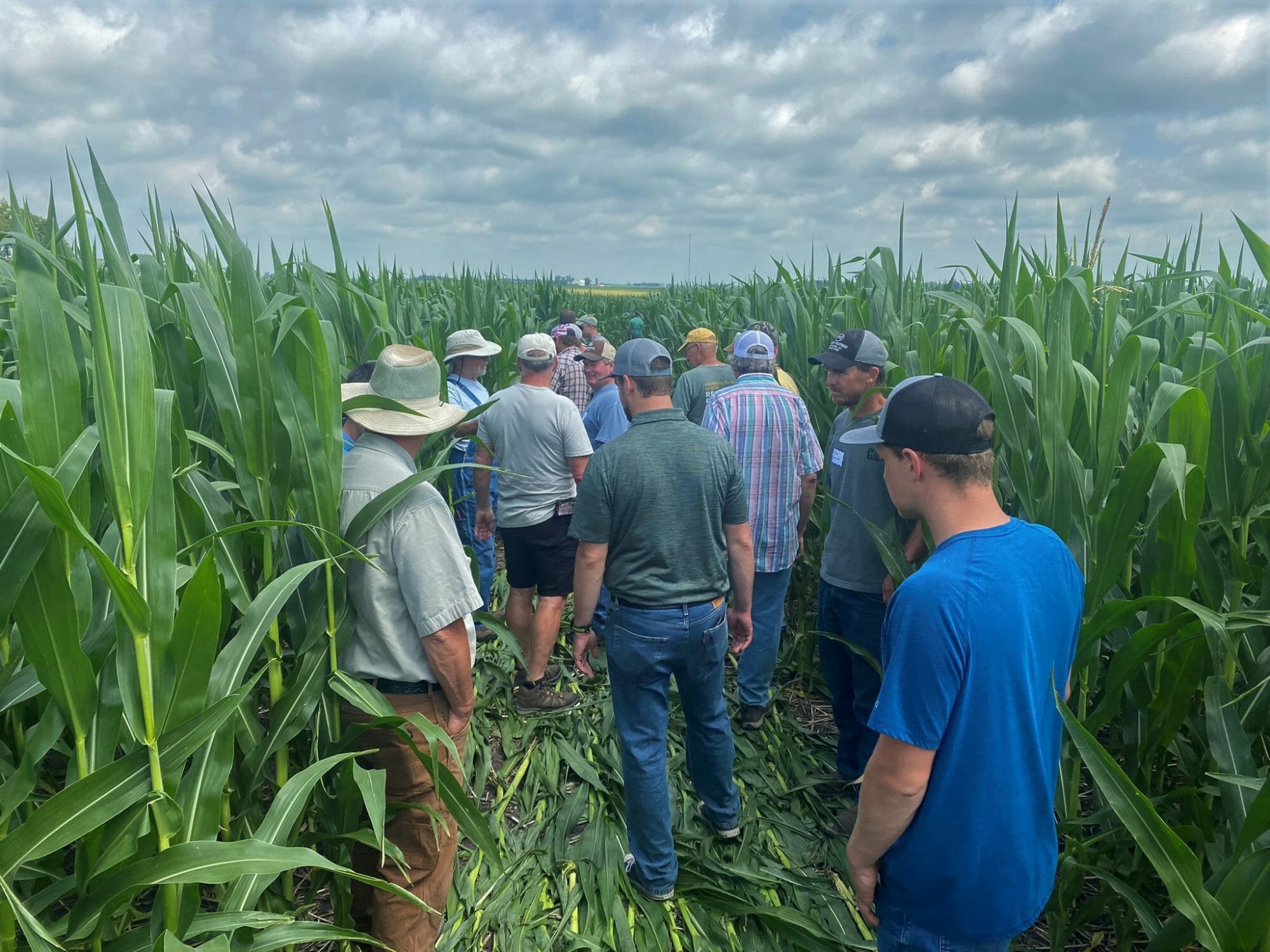
If you are interested in following Ellie's research or want to be one of the farms featured in her soil health study, please email ude.etatsoloc@silleme.