In a Nutshell:
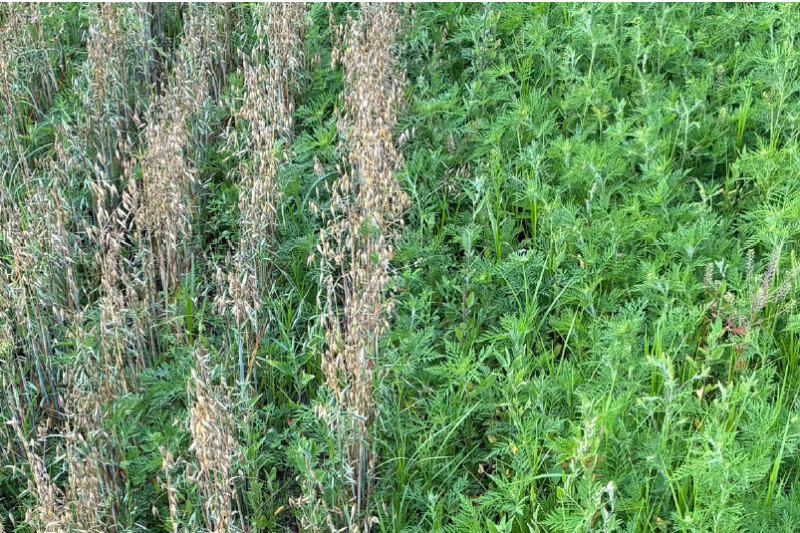
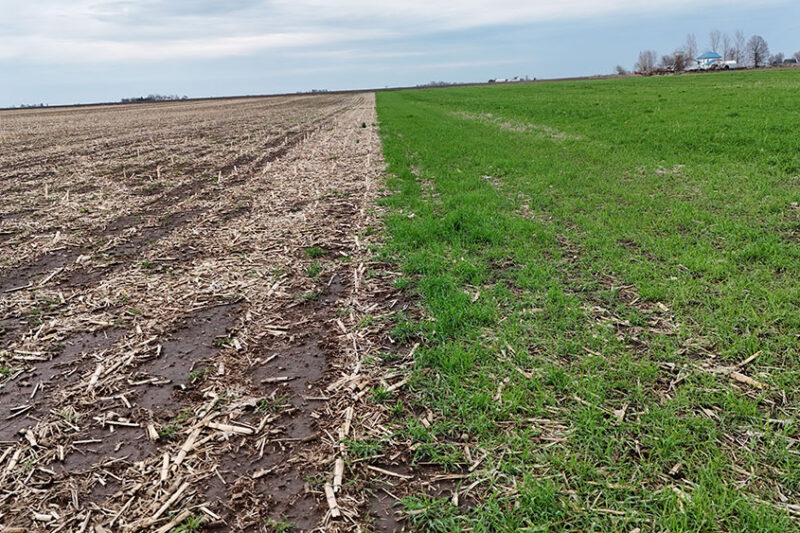
- Eleven cereal rye varieties and one triticale variety were screened at four Iowa State University research farms.
Key findings:
- Across sites and varieties, average cereal rye yield was 89 bu/ac, higher than any of the six previous trial years.
- Hybrid cereal rye varieties Serafino and Receptor were among the three highest yielding varieties at all four sites. Other high yielding rye varieties included SU Performer, SU Cossani, and Tayo.
- Tulus (triticale) and SU Bebop (new this year) were the top yielding open-pollinated varieties across all sites.
Background
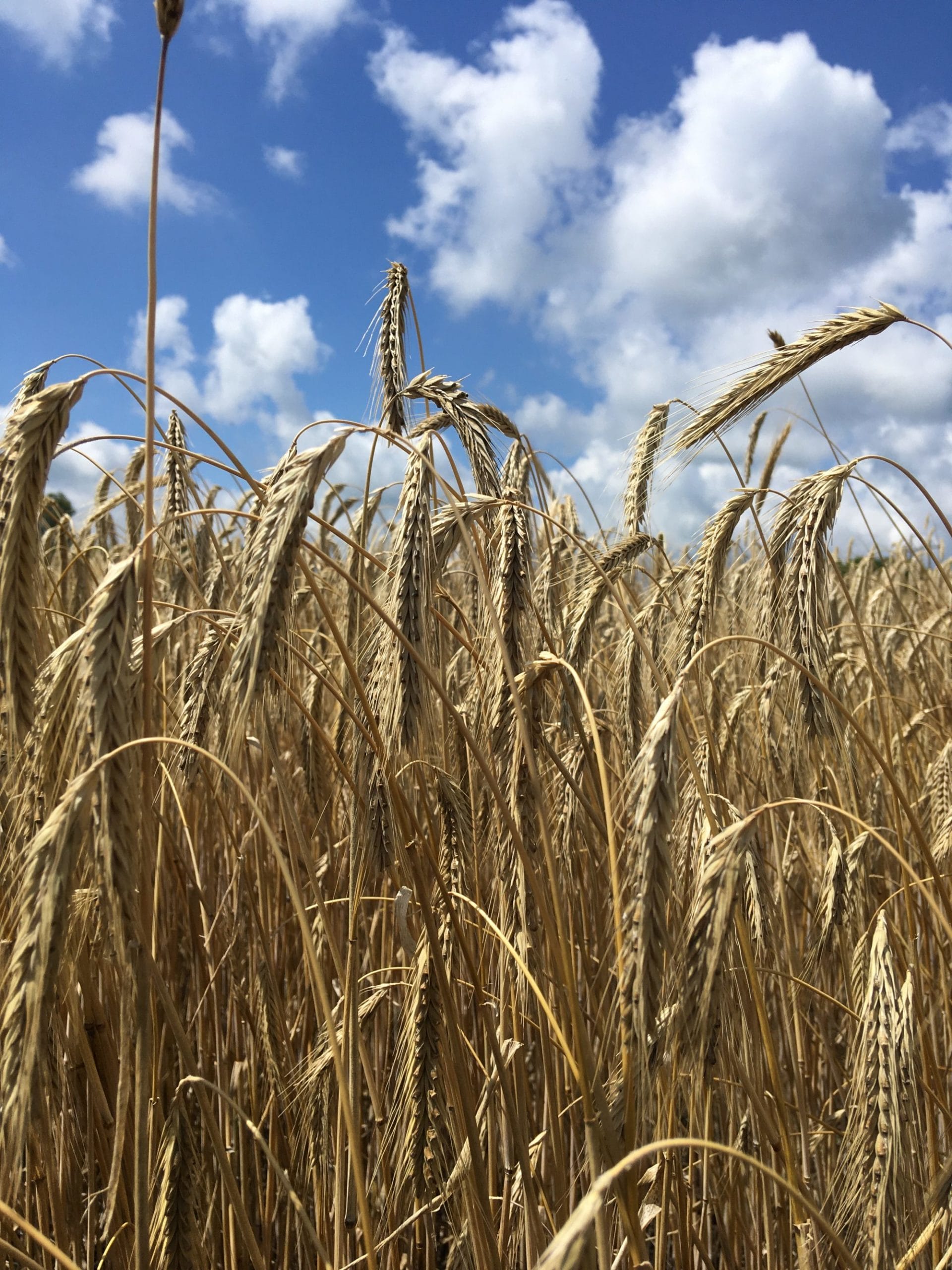
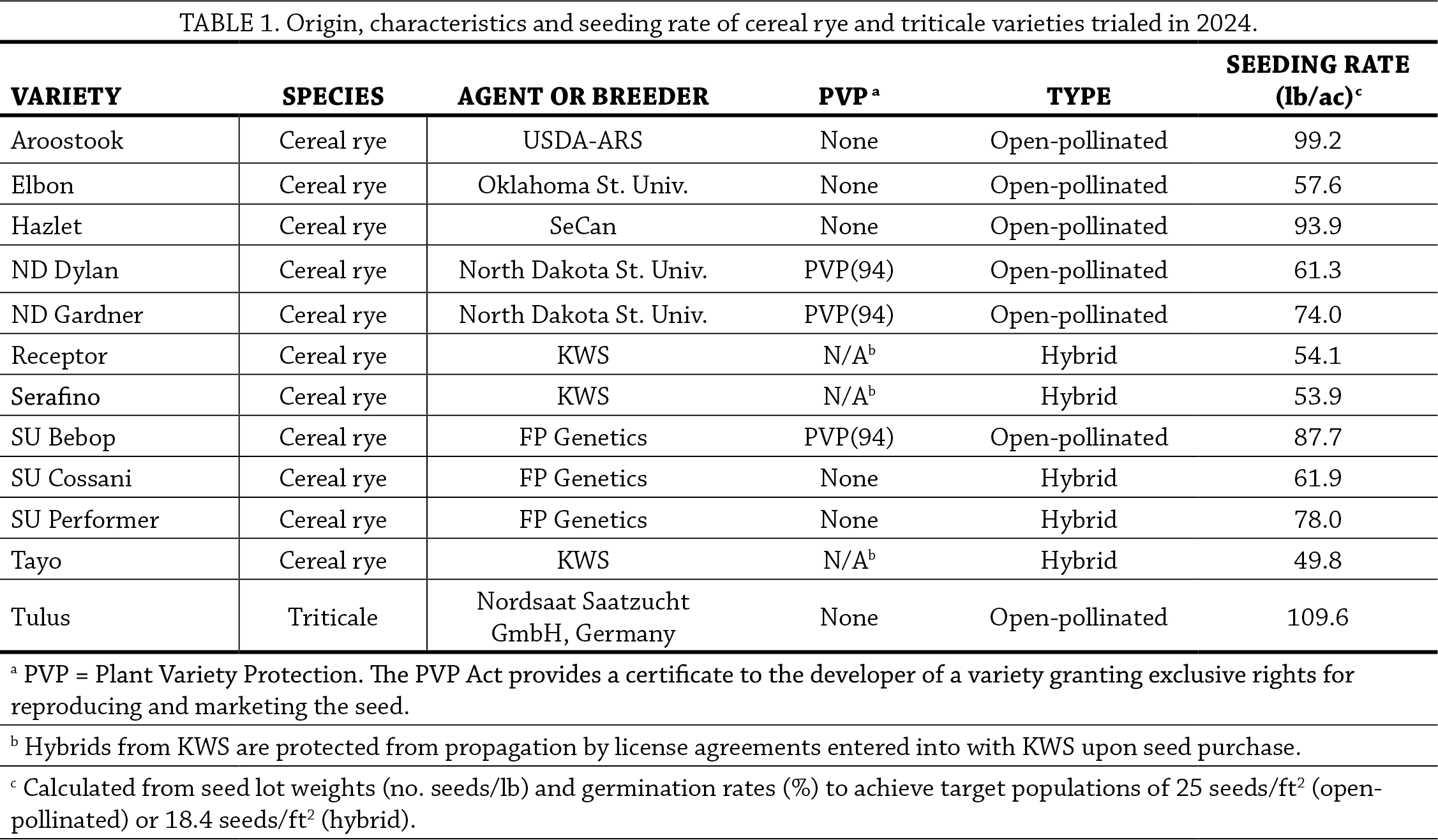
This was the sixth year that Practical Farmers of Iowa coordinated cereal rye variety trials at Iowa State University research farms at Kanawha (north-central Iowa) and Nashua (northeast Iowa); it was the fourth year of trials at ISU research farms at Boone (central Iowa) and Greenfield (southwest Iowa). In 2024, we once again included one winter triticale variety (Tulus) along with 11 cereal rye varieties (Table 1), including three new cereal rye varieties: SU Bebop, SU Cossani and SU Performer. In 2023, a historic drought, the average cereal rye yield across the four research farms was 42.6 bu/ac.[1] In contrast, cereal rye variety trials conducted by the University of Minnesota reported an average yield of 91.9 bu/ac in 2023.[2] In 2022, the average cereal rye yield across the four research farms was 81.3 bu/ac.[3] In 2021, the average cereal rye yield across the four research farms was 65.3 bu/ac [4]. In the previous five years of rye variety trials on ISU farms, Bono, Brasetto, Receptor, Serafino and Tayo have consistently been among the top yielding varieties across sites [1, 3, 4, 5, 6]. Bono and Brasetto varieties are no longer commercially available.
Methods
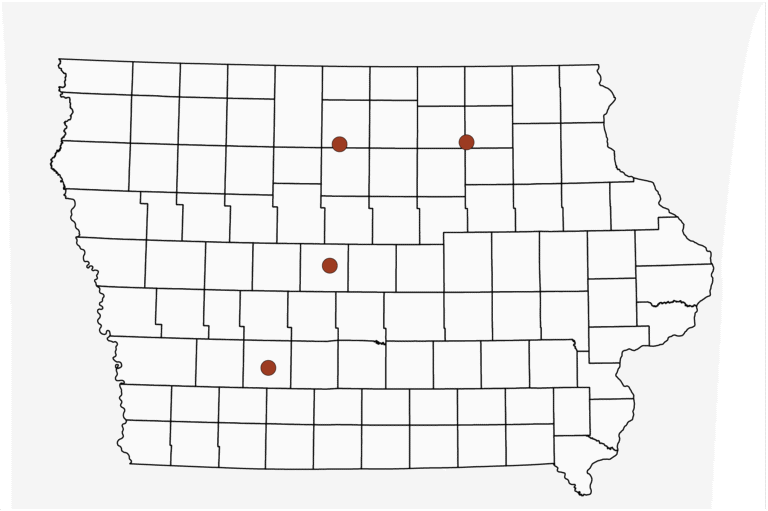
Variety trials were conducted at four locations in 2024: ISU Northern Research Farm in Kanawha; ISU Northeast Research Farm in Nashua; ISU Ag Engineering and Agronomy Research Farm in Boone; ISU Southwest Research Farm in Greenfield. Production characteristics and some breeding history about each of the trialed varieties can be found in Table 1. Information on winter hardiness, days to heading, plant height and ergot susceptibility can be sourced from the University of Minnesota.[2]
Results and Discussion
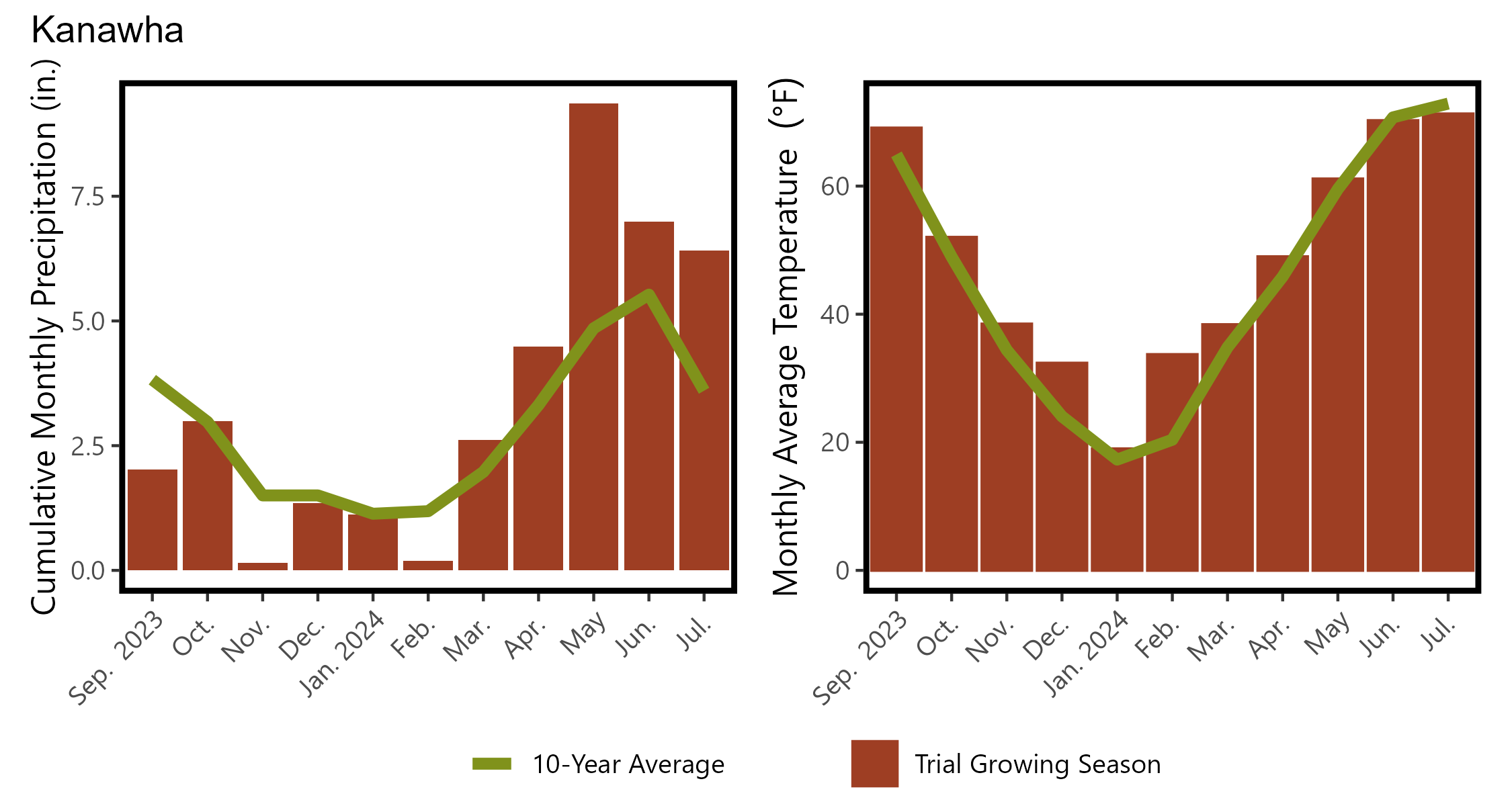
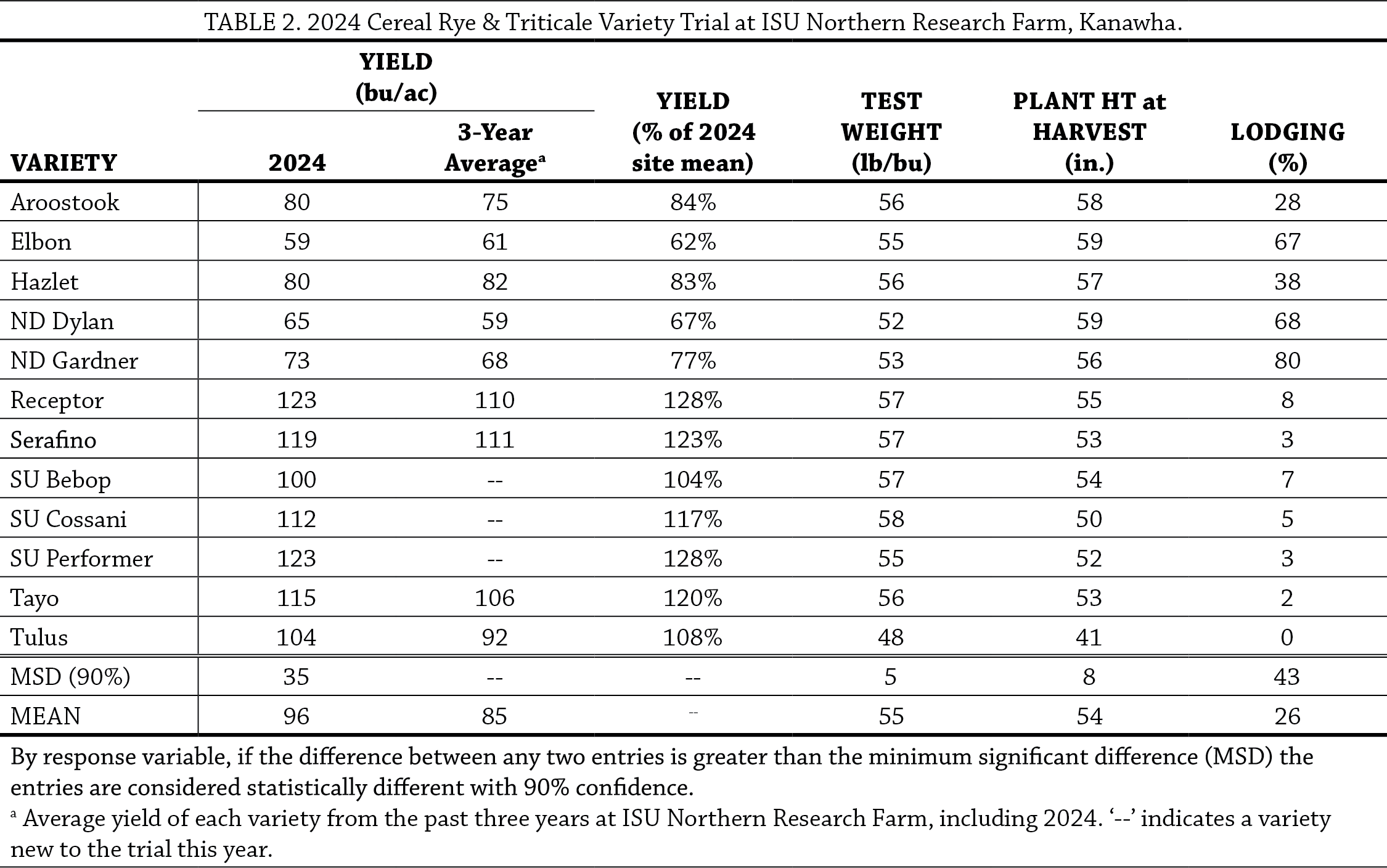
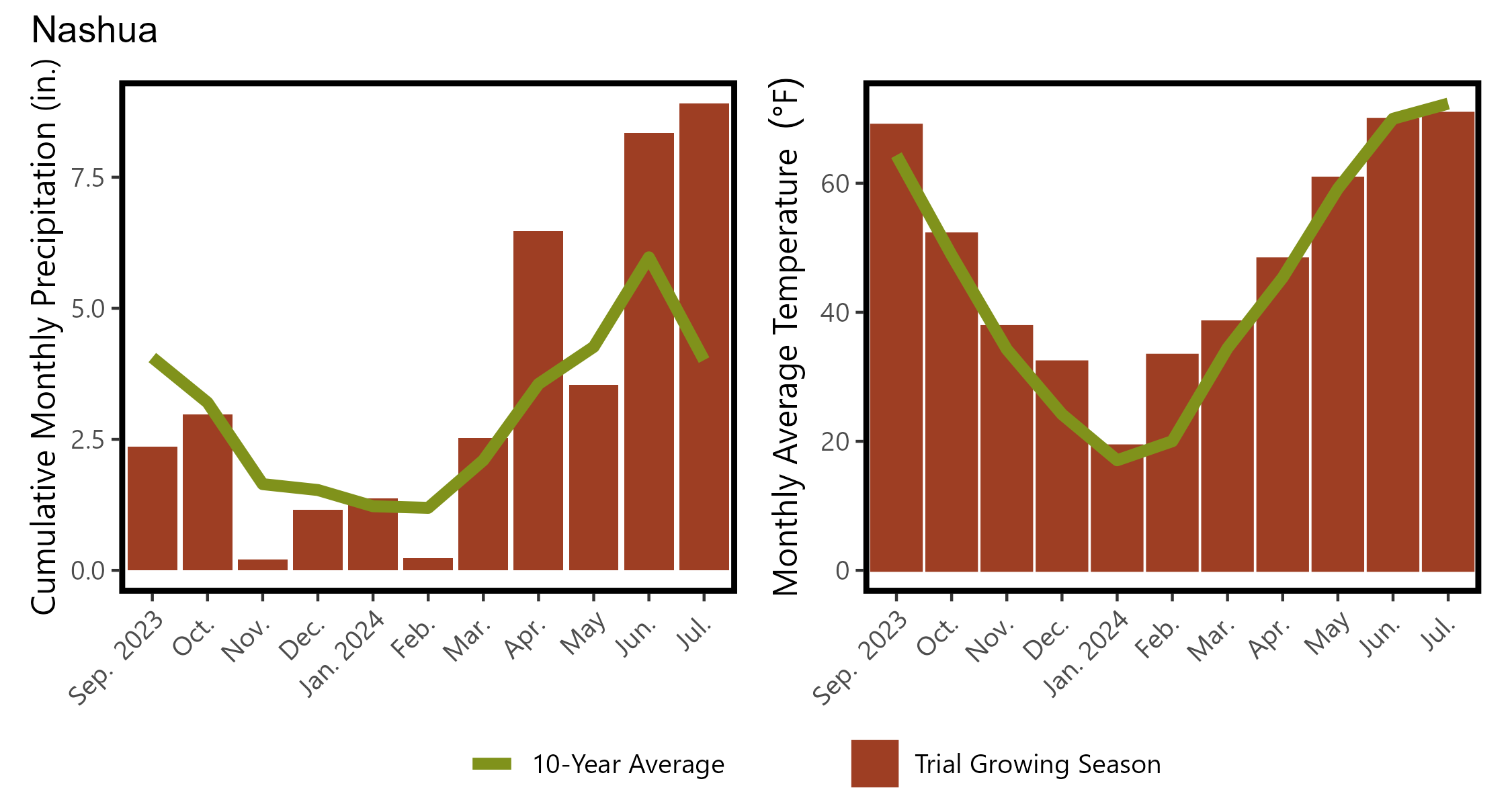
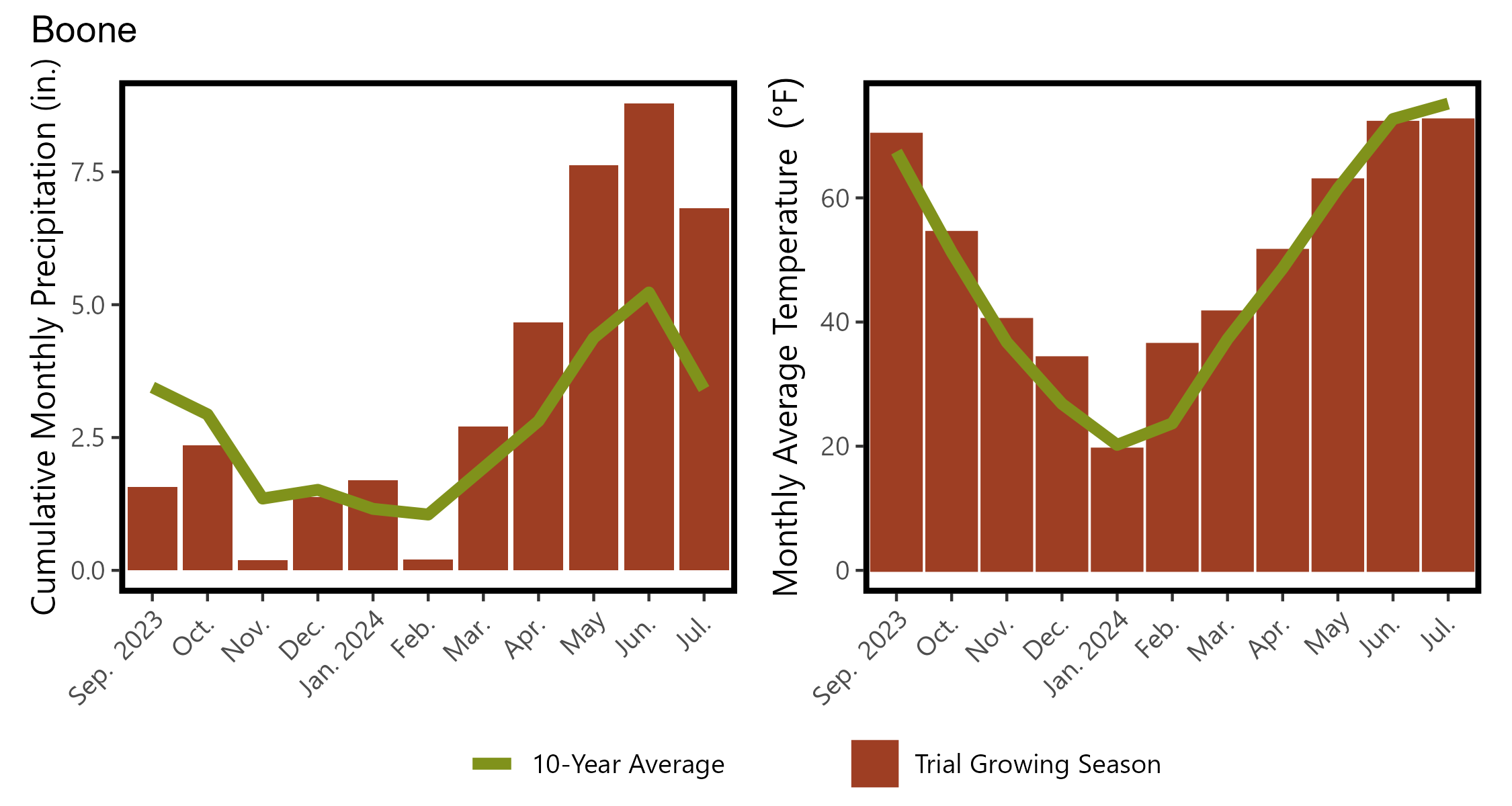
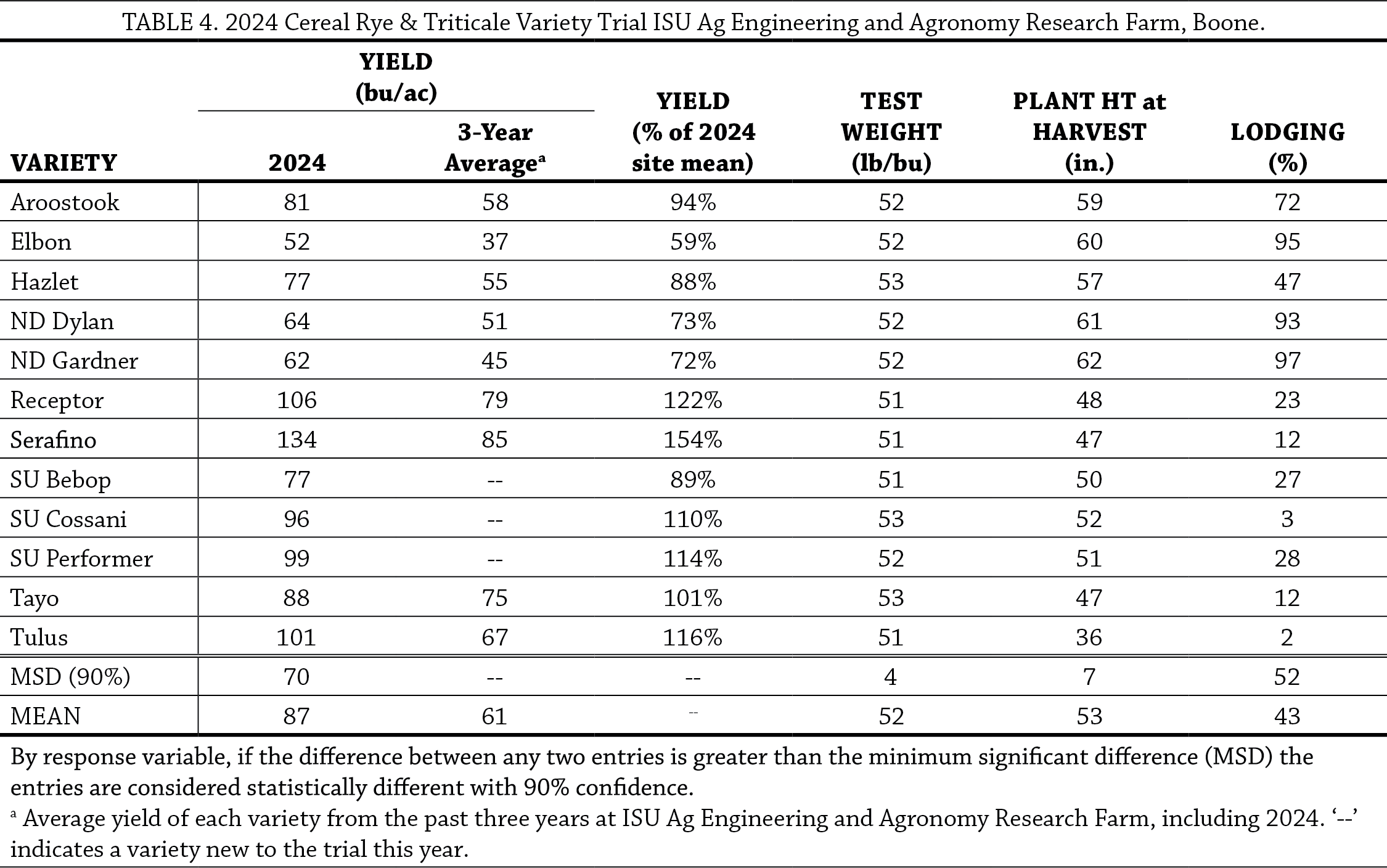
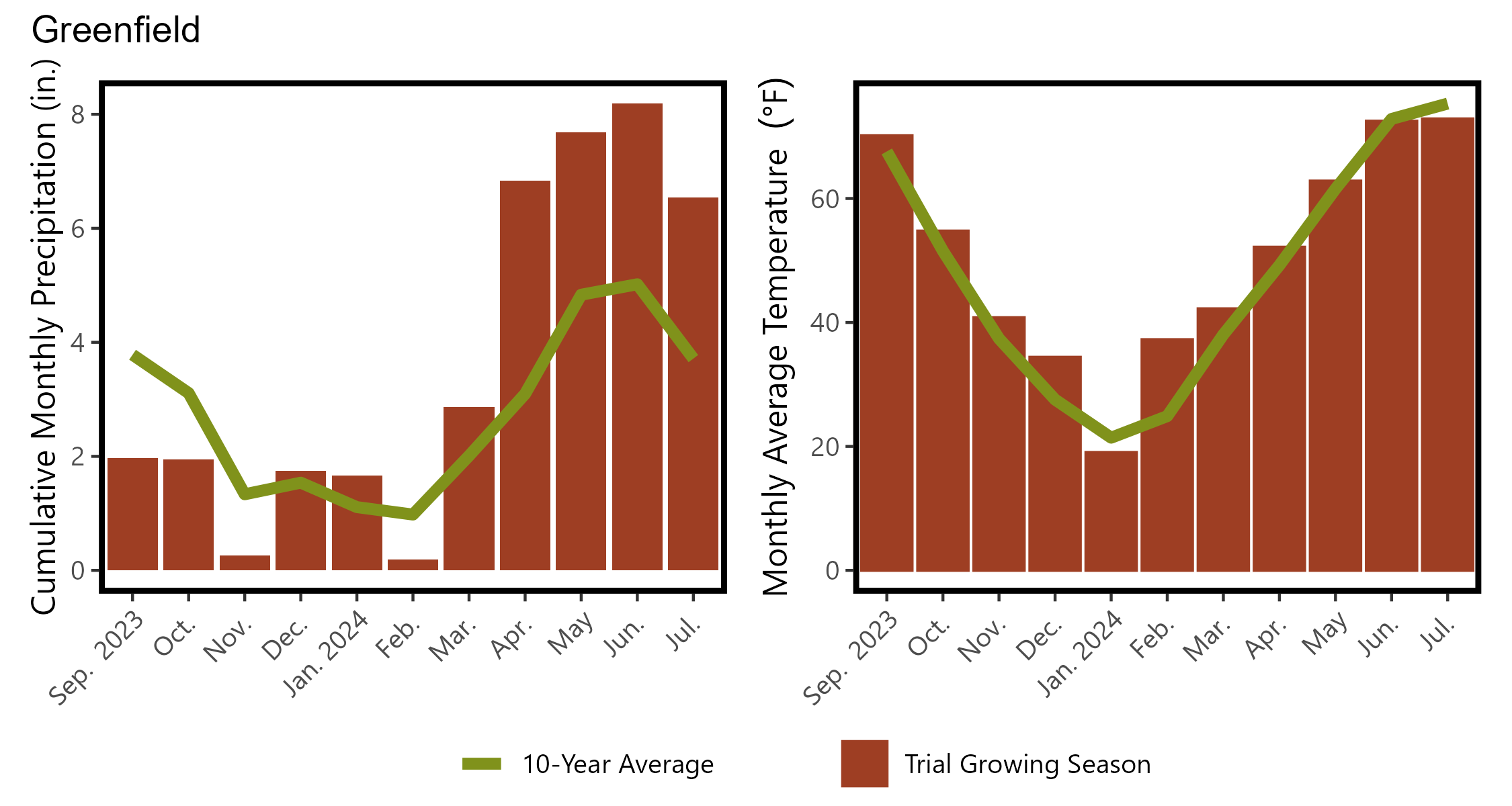
Across all sites and varieties, average 2024 rye variety trial yield was 89 bu/ac, up from 43 bu/ac in 2023 but similar to the 81 bu/ac achieved in 2022. Overall, yields in our variety trials have been varied quite a bit between years, likely due to weather conditions and the retention and addition of higher performing varieties in the trials [1,3,4,5,6]. Precipitation was well below average in Fall 2023 when rye was planted and above average in Spring and Summer 2024 at all trial locations. December 2023 and February 2024 were hotter than average, but mean temperature was similar to the 10-year average throughout the rest of the growing season. Serafino and Receptor were two of the three highest yielding varieties at all four sites this year. Other high yielding varieties at individual sites included SU Performer and SU Cossani, new varieties added this year, as well as Tayo and Tulus, the only included triticale variety. All of these highest-yielding varieties are hybrids, with the exception of Tulus (triticale). Kanawha and Greenfield both saw some varieties make test weight (56 lb/bu), including Receptor and Serafino at both sites. Notably, this year at Kanawha, three OP varieties (Aroostook, Hazlet and SU Bebop) made test weight. Lodging was an issue in many open-pollinated varieties at Kanawha and Nashua this year and across almost all varieties in Boone and Greenfield, though most severely in open-pollinated varieties. In 2024, hybrid rye varieties averaged 108 bu/ac while non-hybrid varieties averaged 70 bu/ac across all sites and varieties, excluding Tulus (triticale). Hybrid rye varieties also averaged about 7 in. shorter than non-hybrids. Tulus and SU Bebop were consistently the highest yielding open-pollinated varieties across all sites this year. Over six years of trials, non-hybrid varieties (average 51 bu/ac) have consistently yielded about 40% less than hybrid varieties (average 84 bu/ac), have been consistently taller than hybrid varieties and have experienced more lodging issues.
ISU Northern Research Farm, Kanawha
Previous crop: Soybean
Replications: 3
Harvested plot size: 5 ft X 57 ft
Fertilizer applied: 18.7 lb S/ac on Oct. 11, 2023
Fertilizer applied: 35 lb N/ac on Mar. 13, 2024
Planting date: Sept. 30, 2023
Harvest date: Jul. 16, 2024
ISU Northeast Research Farm, Nashua
Previous crop:Soybeans
Replications: 3
Harvested plot size: 8.125 ft x 50 ft
Fertilizer applied: 31 lb P/ac and 200 lb K/ac on Nov. 7, 2023
Fertilizer applied: 25.25 lb S/ac on Nov. 19, 2023
Fertilizer applied: 30 lb N/ac on Mar. 7, 2023
Planting date: Oct. 6, 2023
Harvest date: Jul. 18, 2024

ISU Ag Engineering and Agronomy Farm, Boone
Previous crop: Soybeans
Replications: 3
Harvested plot size: 58 ft x 13.5 ft
Fertilizer applied: 39 lb N/ac, 100 lb P/ac, 40 lb K/ac and 37 lb S/ac applied on Apr. 10, 2024
Planting date: Oct. 9, 2023
Harvest date: Aug. 7, 2024
ISU Southwest Research Farm, Greenfield
Previous crop: Soybeans
Replications: 3
Harvested plot size: 5 ft x 51 ft
Fertilizer applied: 35 lb N/ac Mar. 12, 2024
Planting date: Oct. 6, 2023
Harvest date: July 17, 2024

Funding Acknowledgement
This work is supported by the Agriculture and Food Research Initiative, grant number F9000315202081 from the USDA National Institute of Food and Agriculture. Any opinions, findings, conclusions, or recommendations expressed in this publication are those of the author(s) and do not necessarily reflect the views of the U.S. Department of Agriculture. We would also like to express our gratitude to Albert Lea Seed House, Green Cover, North Dakota State University, KWS and FP Genetics for donating seed for these variety trials.
References
[1] S. Gailans, “Cereal Rye and Triticale Variety Trial 2023,” Practical Farmers of Iowa, 2023. [Online]. Available: https://practicalfarmers.org/research/cereal-rye-and-triticale-variety-trial-2023/ [2] J. Wiersma, “2023 Winter Rye Field Crop Trial Results: Minnesota Agricultural Experiment Station,” University of Minnesota, 2023. [Online]. Available: https://drive.google.com/file/d/11qo8BPRxJBp2x9rzAeDRTC52UQltXlez/view [3] S. Gailans, “Cereal Rye and Triticale Variety Trial 2022,” Practical Farmers of Iowa, 2022. [Online]. Available: https://practicalfarmers.org/research/cereal-rye-and-triticale-variety-trial-2022/ [4] S. Gailans and L. English, “Cereal Rye Variety Trial 2021,” Practical Farmers of Iowa, 2021. [Online]. Available: https://practicalfarmers.org/research/cereal-rye-variety-trial-2021/ [5] S. Gailans and S. Carlson, “Cereal Rye Variety Trial 2019,” Practical Farmers of Iowa, 2019. [Online]. Available: https://practicalfarmers.org/research/cereal-rye-variety-trial-2019/ [6] S. Gailans and L. English, “Cereal Rye Variety Trial 2020,” Practical Farmers of Iowa, 2020. [Online]. Available: https://practicalfarmers.org/research/cereal-rye-variety-trial-2020/ [7] A. Sparks, “nasapower: A NASA POWER Global Meteorology, Surface Solar Energy and Climatology Data Client for R,” J. Open Source Softw., vol. 3, no. 30, 2018, doi: doi.org/10.21105/joss.01035. [8] A. Sparks, _nasapower: NASA-POWER Data from R_. (2024). [Online]. Available: https://CRAN.R-project.org/package=nasapower