In a Nutshell:
- Both Braxton Clubb and Neil Peterson have been experimenting with the best way to establish legume forage crops with oats on their farms.
- This year, Clubb tested whether seeding alfalfa with or without oats as a nurse crop affected alfalfa establishment and biomass production.
- Peterson tested whether underseeding his primary oat crop with red clover vs. a red clover and perennial ryegrass mix affected fall forage biomass.
Key Findings:
- Clubb was unsurprised to find that seeding alfalfa with an oat nurse crop seeded at 1 bu/ac significantly increased forage yield at first cutting by about 1.5 tons/acre.
- Peterson found no difference in fall forage biomass when underseeding his oat crop with red clover + turnips vs. red clover + turnips and perennial ryegrass. However, he still noted benefits from including perennial ryegrass such as more groundcover heading into winter.
Background
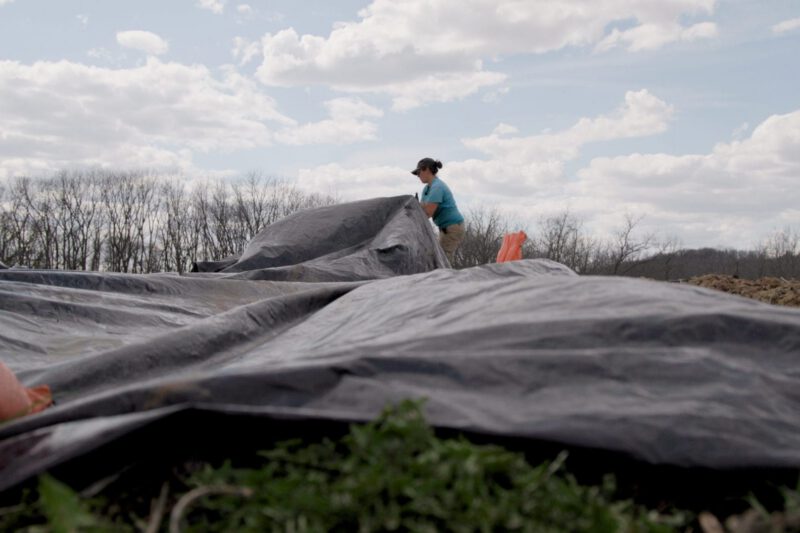
Historically throughout the Midwest, oats and forage legumes have often been planted together in two different contexts. Farmers establishing alfalfa fields frequently seed with about one bu/ac of oats as a nurse crop for weed control, or sometimes a higher seeding rate for a secondary oat grain or oat silage crop [1]. Farmers growing oats as a primary crop also sometimes underseed their oats with red clover or another legume. After oat harvest, with more light and resources, these established legumes grow quickly to provide a quality fall forage crop and winter cover crop [2], [3].
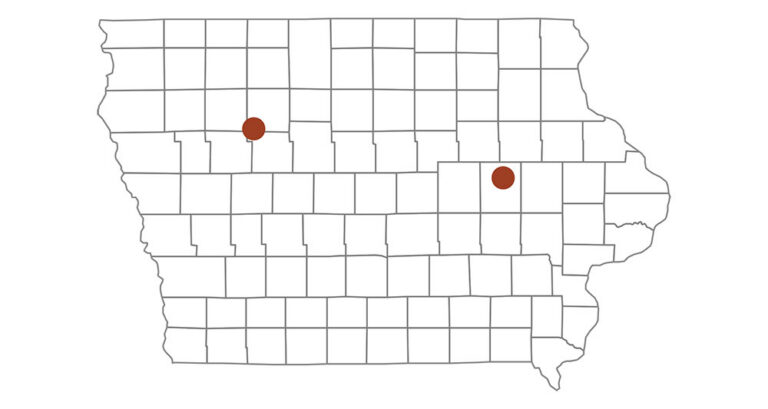
This year, PFI cooperators Braxton Clubb and Neil Peterson each completed a trial to help them validate and refine their practice of co-planting forage legumes and oats. Clubb has planted his alfalfa with an oat nurse crop and decided to conduct a trial just to confirm that that this extra step is economically worth it on his farm. Peterson grows oats as a primary crop and underseeds red clover for a fall forage. He trialed underseeding red clover + turnips vs. a mix of red clover, turnips and perennial ryegrass to see if a more diverse mix performs differently in terms of forage biomass production.
Methods
Design
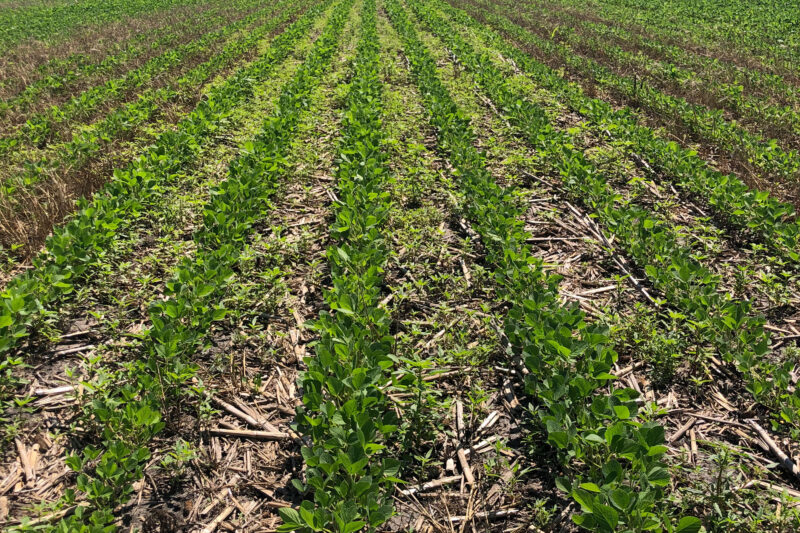
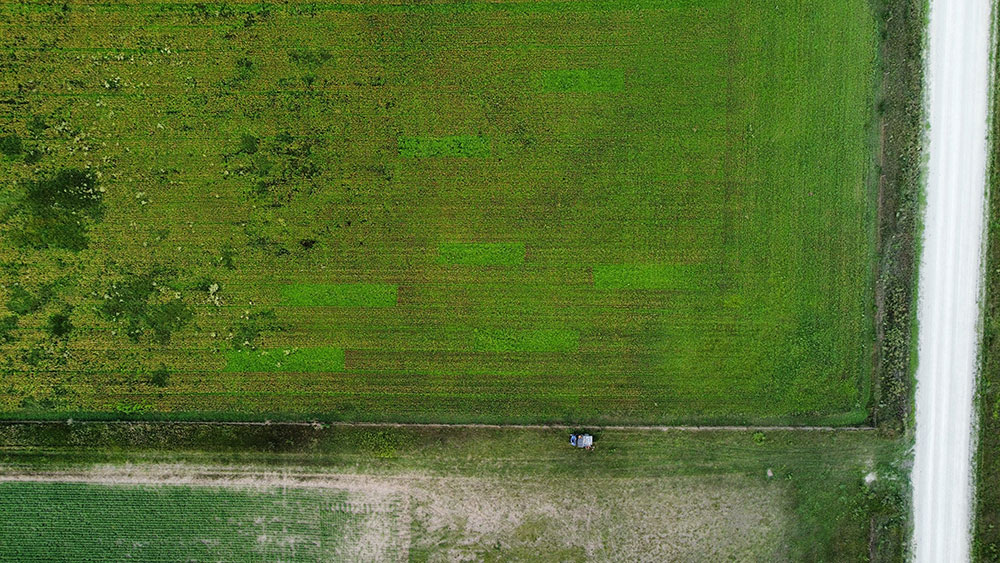
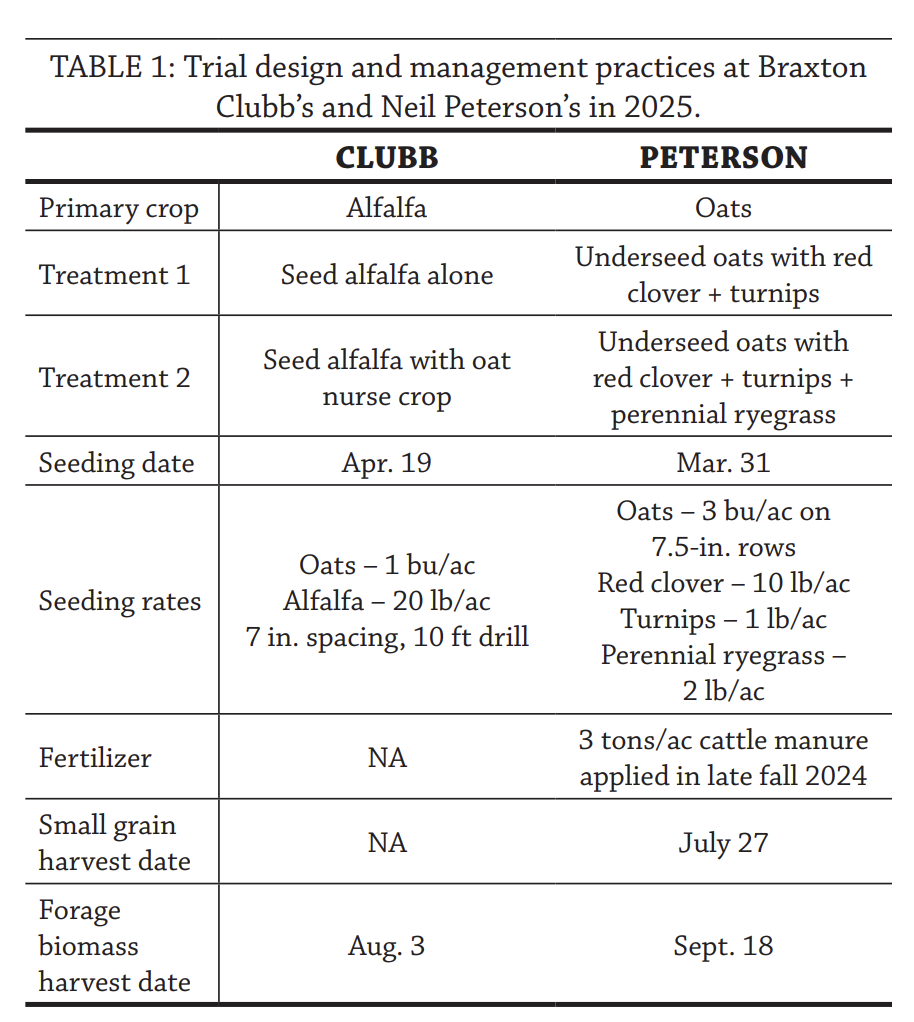
Clubb established six replicates and Peterson established four replicates of each of their respective treatments. Clubb established plots of alfalfa without oats by skipping sections when he was planting oats in the broader field (see photo). Peterson used PFI’s usual strip trial design (see Figure A1). Management details for their two distinct trials and systems are shown in Table 1.
Measurements
Forage biomass was the primary measured outcome for both Clubb’s and Peterson’s trials. Both farmers measured biomass just prior to first cutting (Clubb) or grazing (Peterson), though Peterson waited until about halfway through the time period when he would generally graze covers after oat harvest to measure the clover. In each of the eight replicate strips in their trial, they threw a hollow frame of known dimensions into three random spots and cut the biomass within the area of the hoop each time. They dried the biomass in paper bags for several weeks until it was no longer damp and then weighed the biomass. Peterson intended to also measure oat yields between his two treatments but was unable due to time and resource constraints in a very wet oat harvest season.
Data Analysis
We used a two-way comparison of means test (t-test) at a 95% confidence level to determine if there were significant differences in forage biomass between the treatments at each farm. This means any treatments we declare statistically different would be expected to occur at least 95 times out of 100 if the experiments were carried out in identical conditions. We could perform these analyses because Clubb and Peterson planted completely randomized and replicated experimental designs (Figure A1).
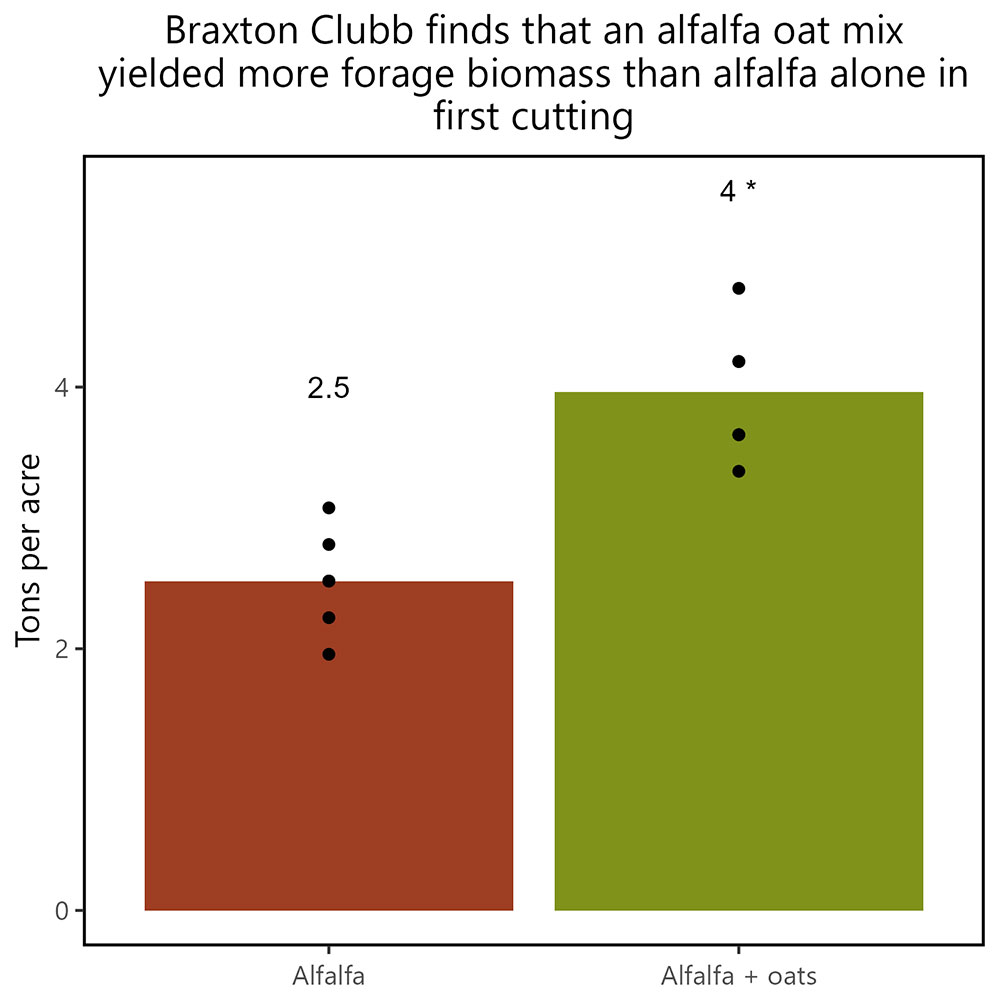
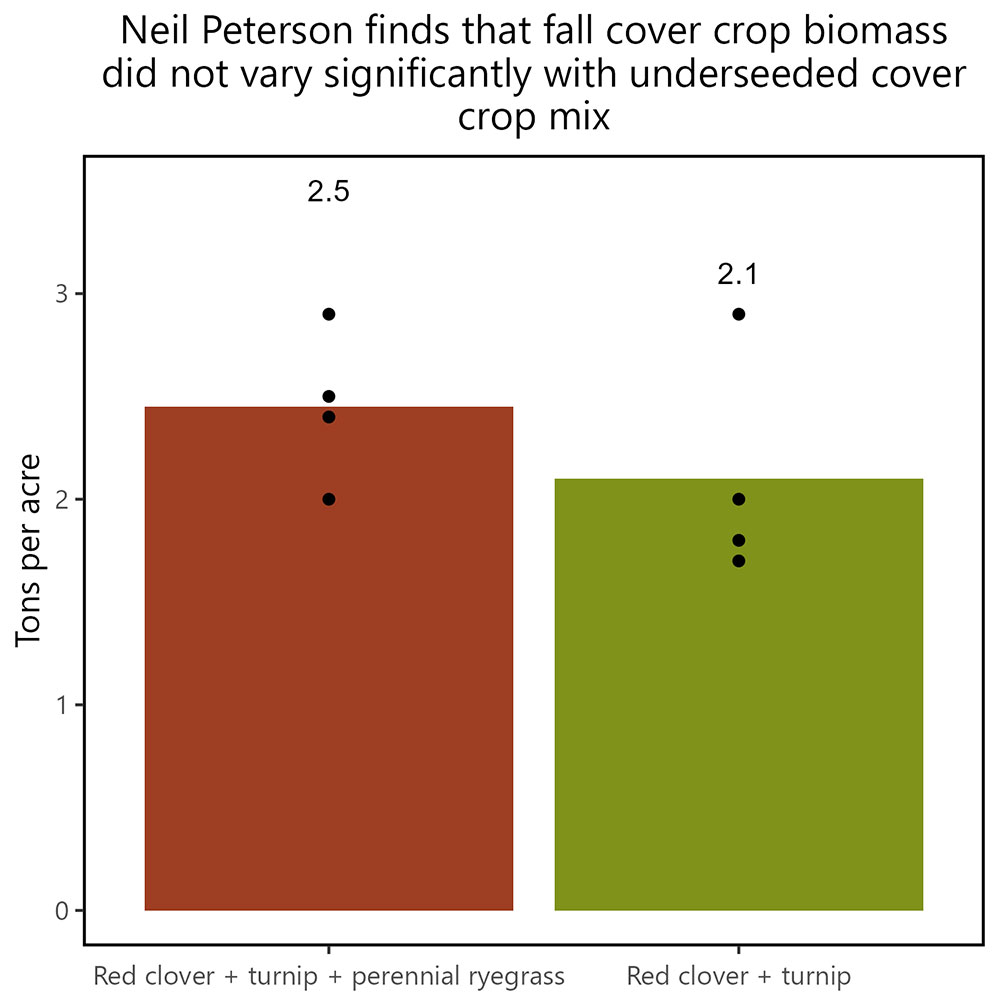
trials in 2025. Bars and numbers above the bars indicate average biomass production in each
treatment. Dots indicate the yields measured in each individual strip. Asterisk (*) over Clubb’s
alfalfa + oats treatment indicates that this treatment yielded statistically significantly higher
than the alfalfa only treatment at the 95% confidence level. Peterson did not find a statistically
significant difference in biomass between his treatments. Click to enlarge.
Results and Discussion
Clubb found that alfalfa interseeded with an oat nurse crop produced about 1.5 tons/ac more biomass than alfalfa planted alone (Figure 1). Though he did not measure weed biomass specifically, he also noted that he saw much more weed pressure in his alfalfa-only treatment. He observed fewer differences in weed dynamics and alfalfa growth dynamics after his first alfalfa cutting. Clubb did not complete a second cutting in 2025 in order to better establish the stand for future years. He reflects that “I knew what the outcome was going to produce but needed the proof. Having the oats as a cover for the alfalfa to establish may be another step during seeding, but the results make it worth it.”
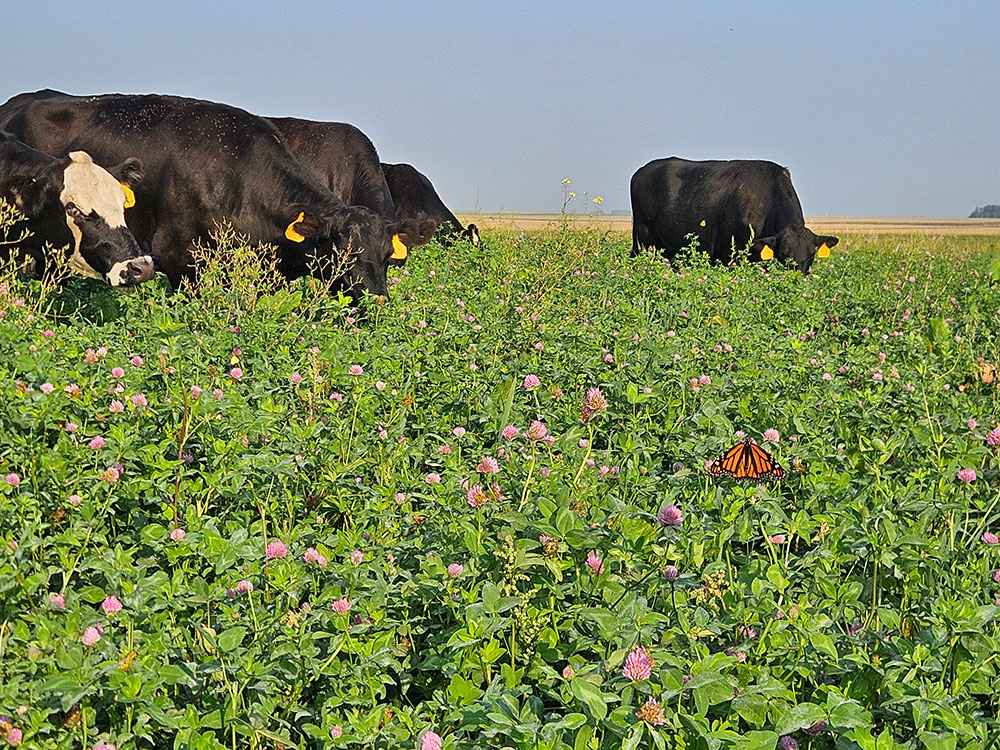
Peterson found no significant difference in fall forage biomass after oat harvest in red clover + turnips vs. red clover + turnips + perennial ryegrass plots (Figure 1). After he collected biomass in September, he reported that he could barely even find perennial ryegrass in the field due to the wet weather. “The red clover went bonkers and took over. Which is good because it is a lot of feed. My cows have been grazing for 10 days now and I think the field will last them 30 days or so. Also, it is butterfly city out there."
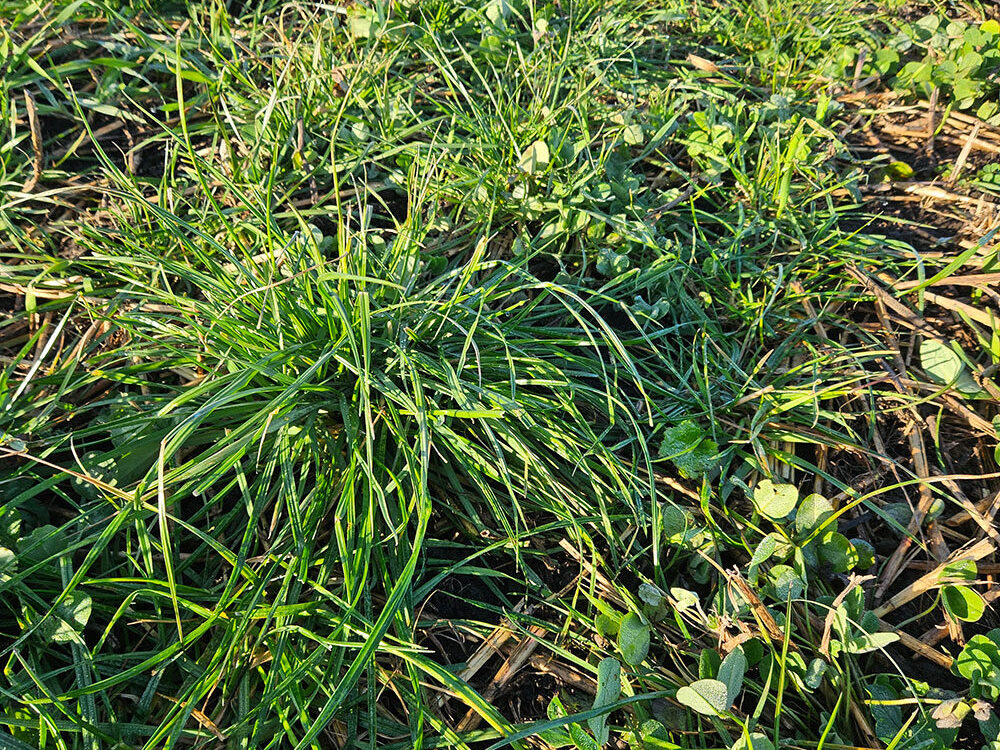
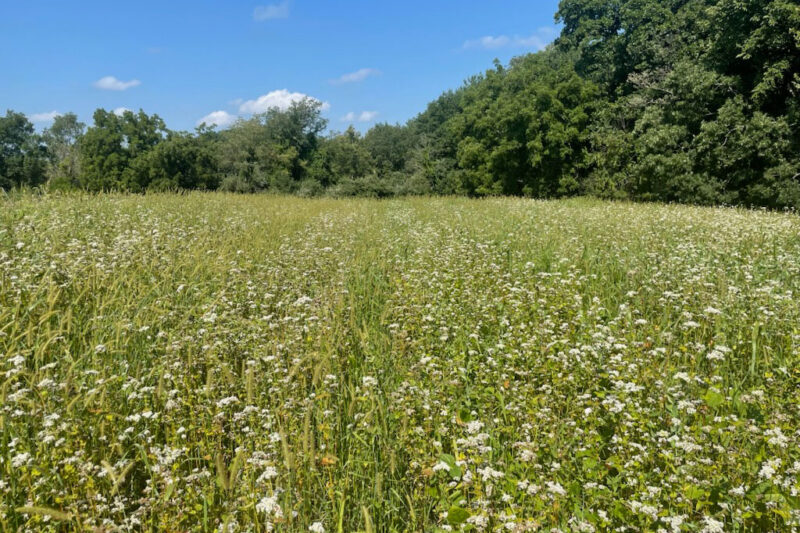
Though Neil Peterson saw very little perennial ryegrass biomass while he was grazing his cattle in September, by late fall, the perennial ryegrass was visible and providing substantial groundcover. Photo taken November 2025.
While he was very happy with the red clover’s performance this year, Peterson will continue to underseed a mix of species with his oats because he expects that other species may perform better in a drier year. Additionally, the perennial ryegrass started to grow after the red clover was grazed and appeared to be providing good groundcover by late fall (see photo). Though Peterson does not rely on grazing these fields before planting corn the following spring, he does graze if conditions allow. In that scenario, perennial ryegrass could potentially provide more biomass for spring grazing than red clover alone.
Conclusions and Next Steps
Both Clubb and Peterson know that co-planting forage legumes and small grains make a lot of sense for their crop and integrated livestock operations. These trials allowed them to justify and refine their practices. They both note that a major reason they want to conduct these sorts of trials is to show other farmers that diversified crop rotations work well for their farms. Peterson says, “I hope that by doing trials related to growing oats, I will help keep attention on the small grain crop system and make it a more attractive option to other farmers.”

Appendix - Trial Design and Weather Conditions
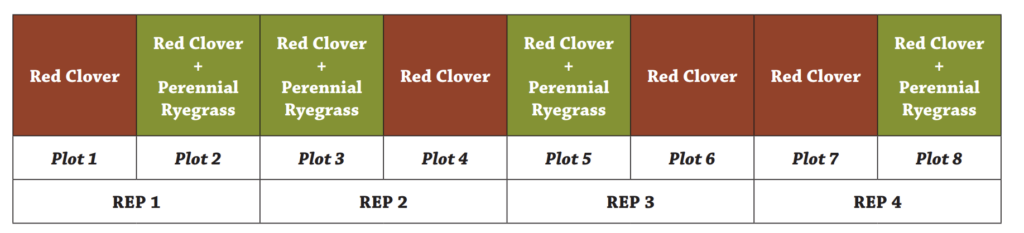
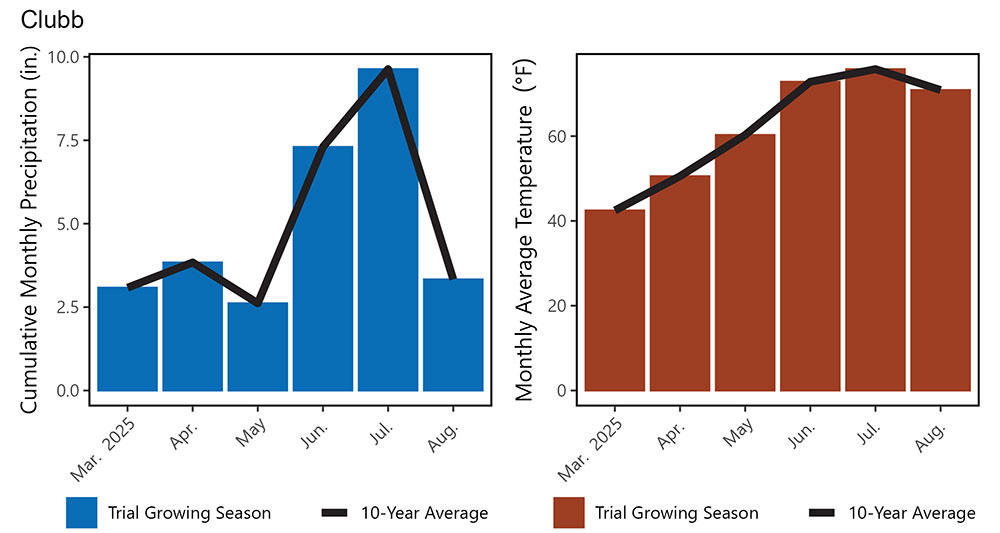
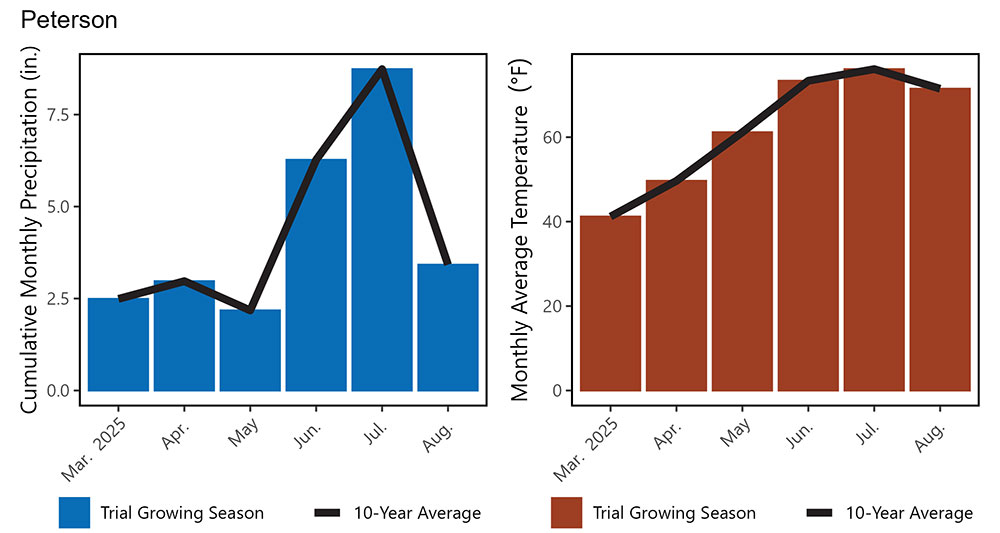
(Peterson) [4], [5]. Click to enlarge.
References
- J. Michel, “Establishing a New Stand of Alfalfa,” Iowa State University Extension and Outreach Integrated Crop Management News. [Online]. Available: https://crops.extension.iastate.edu/cropnews/2023/04/establishing-new-stand-alfalfa
- “Managing Cover Crops Profitably, 3rd Edition,” SARE. Accessed: Jan. 30, 2026. [Online]. Available: https://www.sare.org/resources/managing-cover-crops-profitably-3rd-edition/
- A. H. Charles, “Establishment Studies. I. The effect on spring oats of undersowing with a one-year ley,” J. Agric. Sci., vol. 54, no. 2, pp. 179–187, Apr. 1960, doi: 10.1017/S0021859600022346.
- A. H. Sparks et al., nasapower: NASA POWER API Client. (May 18, 2024). Accessed: Sep. 11, 2024. [Online]. Available: https://cran.r-project.org/web/packages/nasapower/index.html
- A. H. Sparks, “nasapower: A NASA POWER Global Meteorology, Surface Solar Energy and Climatology Data Client for R,” J. Open Source Softw., vol. 3, no. 30, p. 1035, Oct. 2018, doi: 10.21105/joss.01035.