Changing Directions
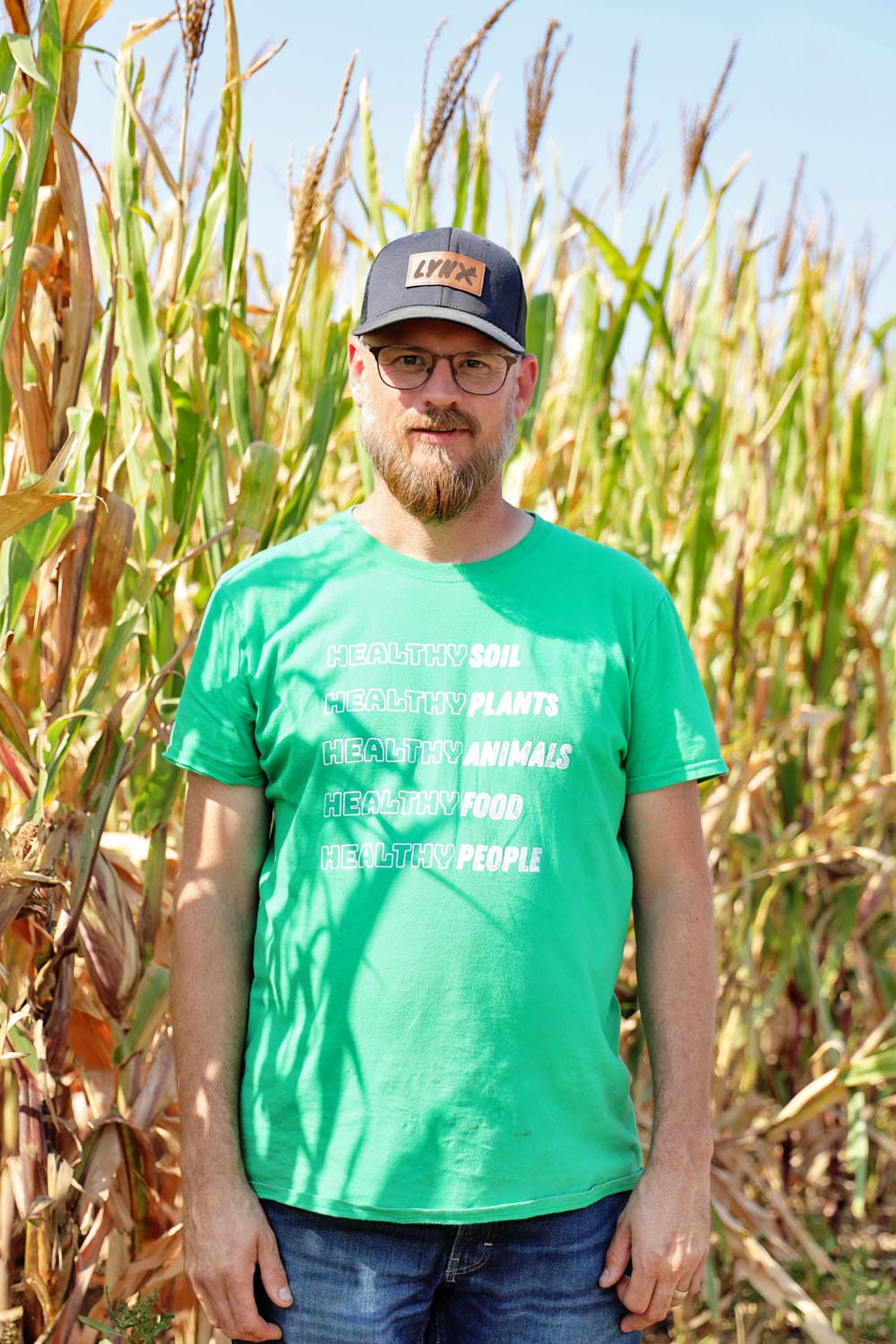
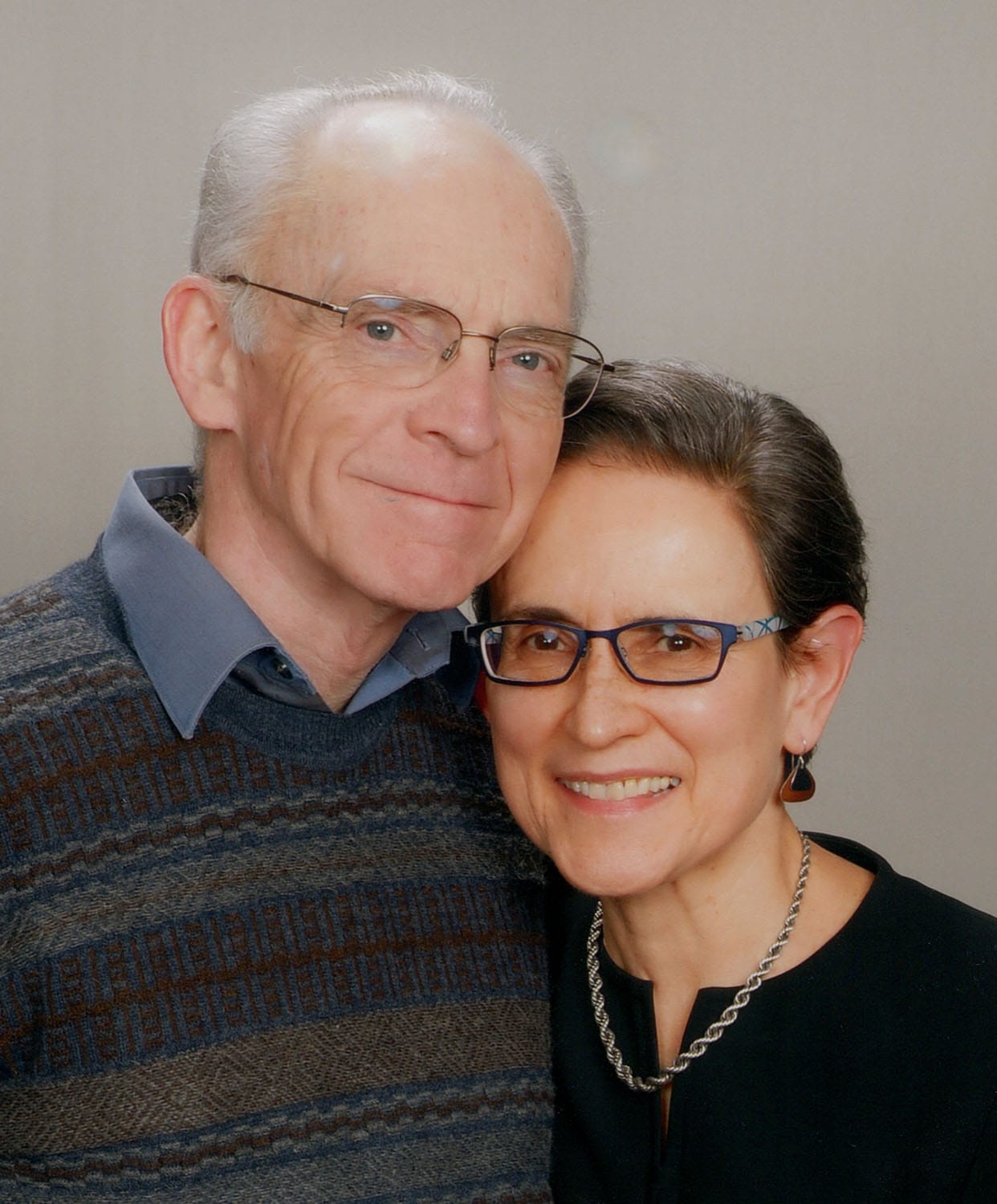
“Sometimes we guide Josh, sometimes he guides us,” Paul says. “Having a profound mutual respect has helped. Each year, Josh has been more willing to speak his mind and to let us pay him for the time he uses in improving the practices on the farm.”The story of their partnership highlights the importance – and the rewards – of shared risk and collaboration between landowners and farm operators.
Adding Small Grains
Of Paul and Elena's top farmland goals, integrating a third crop was a new challenge for Josh, but one he was willing to take on. He chose to try planting oats. “They were concerned about fertilizer runoff and general soil health,” Josh says. “When you have that third crop, it gives the soil time to recover, time to breathe a bit and to plant a multispecies cover crop mix.” After he harvests the oats mid-summer, he plants a multispecies cover crop – currently an eight- or nine-seed cover crop mix. While a single cover crop species is still good for the soil, Josh says that adding more plant families and root types supercharges the soil. “You're increasing the diversity in your microbes, and in the types of insects you attract,” he says. “You have to be careful how you design your mix, but if you get help, you're going to see results the next year.”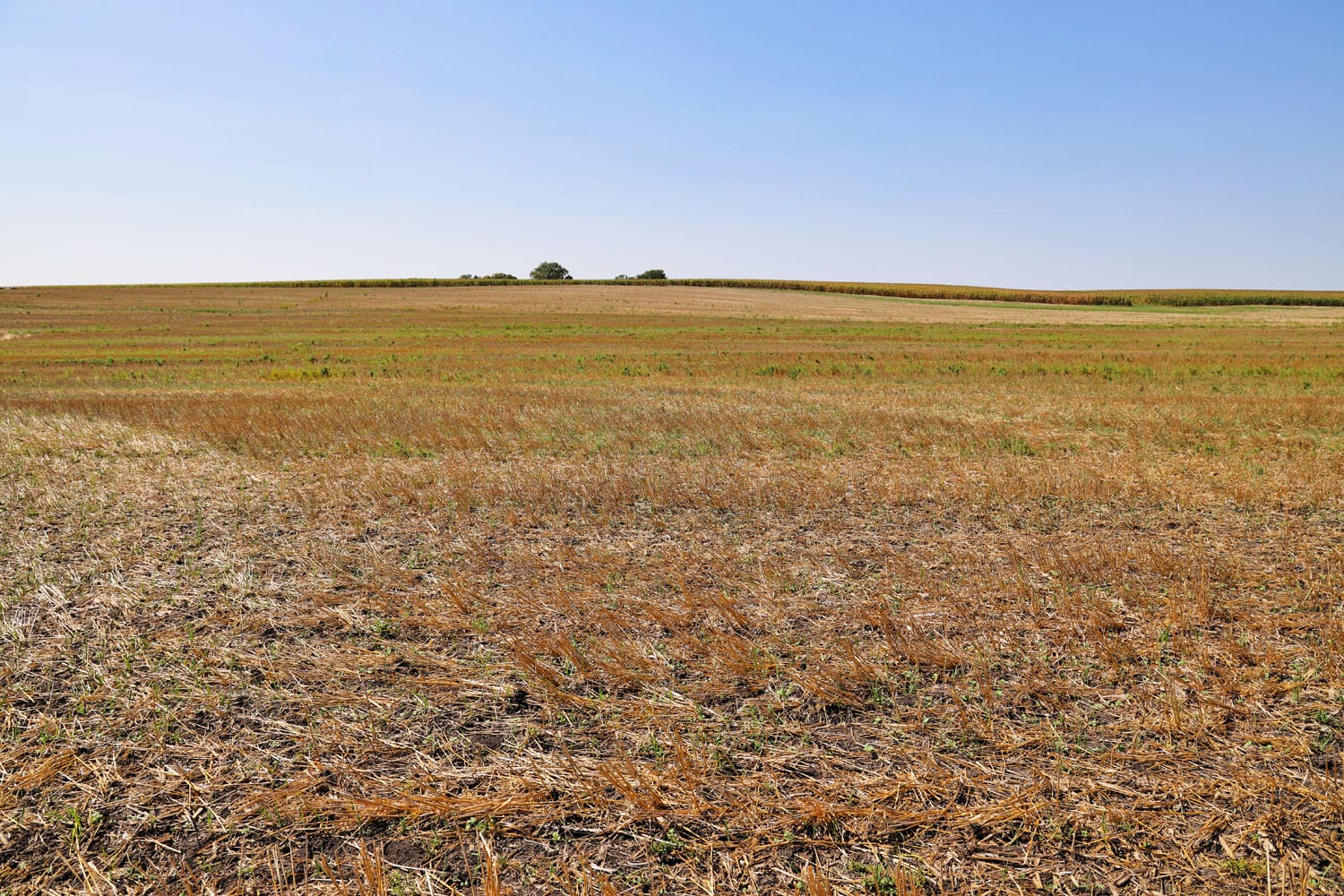
Designing a Fair Land Lease
Looking for other ways to promote fairness, Paul and Elena turned their attention to the terms of their lease with Josh. Using a flex lease based on the market price of corn and soybean yields didn't make sense when oats were added into the equation. When PFI launched its Landowner Coaching program in 2022, Paul and Elena signed up, curious to find ways to work small grains into a flex lease. The program gives any landowner who has at least 80 acres of row crops a chance to learn more about their land from a professional – in this case, Mollie Aronowitz, a farm manager and conservation agronomist with Peoples Company. With Mollie, they discussed the potential for crop-share, where everyone shares the expenses and profits. Paul felt this approach was the fairest since it places an equal risk on all parties. “But we were in no position to market our own corn, soybeans and oats,” Paul says. “So the next best thing was a flex lease.” With a flex lease, a landowner charges a low base rate, then calculates a final payment based on yields at harvest. Paul and Elena opted to structure theirs by negotiating a rate for the corn and bean yields, as well as a percentage of the total proceeds from all sources of income from all acres devoted to small grains. Paul and Elena credit PFI's Landowner Coaching program with helping them better understand rental options. But they also learned a lot about their farm. As part of their meeting with Mollie, they received a detailed report that included topographic maps, corn suitability ratings, soil types, rainfall data and more. Mollie also shared resources and worksheets they could use to communicate about farm practices with their farm operator. “I can't think of a section that wasn't helpful to us,” Elena says. Josh has also found the process – and his relationship with Paul and Elena – to be worthwhile. “I can't believe how great they've been to work with,” he says. “They ask a lot, but that's because they're interested in their farm, and that's a good thing. And, they're not asking for something that's overly burdensome.” Elena sums up what makes their relationship so constructive: “Unless you have an honest, transparent relationship, you can't really define fairness because each of you is wondering what the other is really saying. When you don't need to decipher the negotiation, that is the only way you can know if each is really satisfied and comfortable, understanding what needs to be tweaked.” As the trio continue their collaboration, this kind of honest communication will remain central to their shared vision of land stewardship. CORRECTION: May 24, 2024 -- In our print version of the magazine, we misidentified Paul in the second paragraph, referring erroneously to a different Paul Thompson who is an emeritus senior scientist in the Department of Biological Systems Engineering at University of Wisconsin-Madison. The article also incorrectly referred to a single tenant farming Paul's land instead of "tenants," and stated that Paul and Elena's flex lease preserved a discount for acres planted to small grains. The flex lease does not include that discount. These errors have been corrected in this online version.To learn more about PFI's Landowner Coaching program, ways to improve landowner-tenant communication or to receive the Practical Landowner e-newsletter, contact martha.mcfarland(at)practicalfarmers(dot)org.