Beginnings
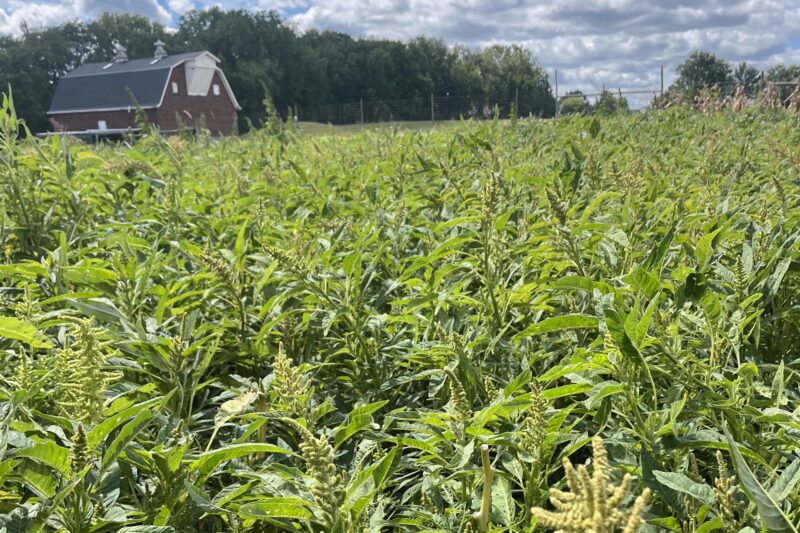
Jon Judson has been selling native prairie seeds and starts for decades. Thirty years ago, Jon purchased an 18-acre property with a dirt road, a slowly sinking farmhouse and a few other sparse buildings. The entire acreage was in the Conservation Reserve Program (CRP) and covered with brome grass. Jon ended up investing much more than his initial purchase price in order to slowly acquire more land, pave the road, build a new house and start his native seed business. Now, three decades later, Jon's prairie plantings are well-established. Along with 150 acres of native prairie and the homestead, Jon enrolled fifty acres of the property into a wetland reserve easement and over 100 acres into CRP. Today, Diversity Farms has only a few acres dedicated to row crops (corn) that Jon doesn't even harvest; they're meant for deer and other wildlife to feed on.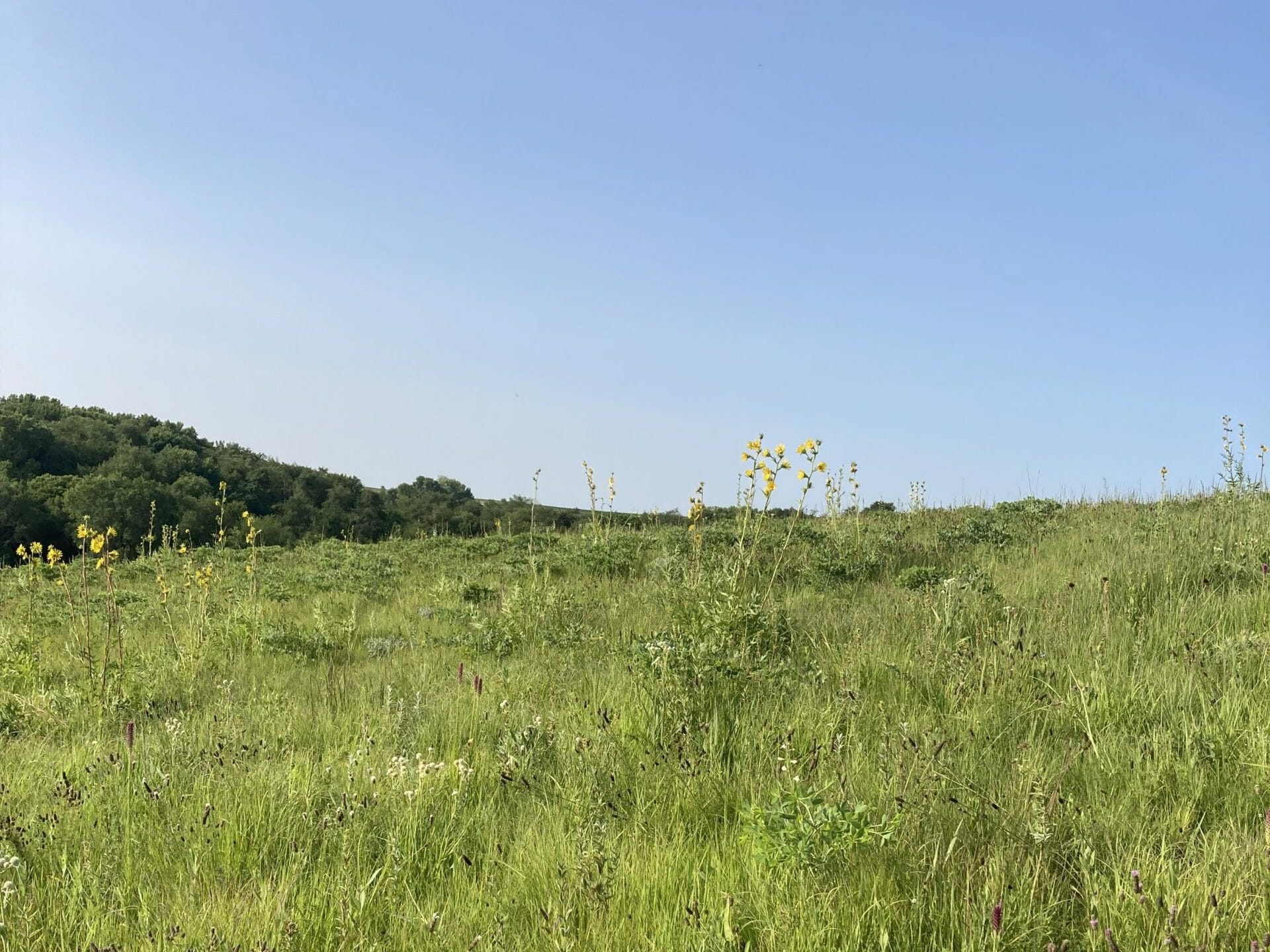
The Native Plant Growth Process
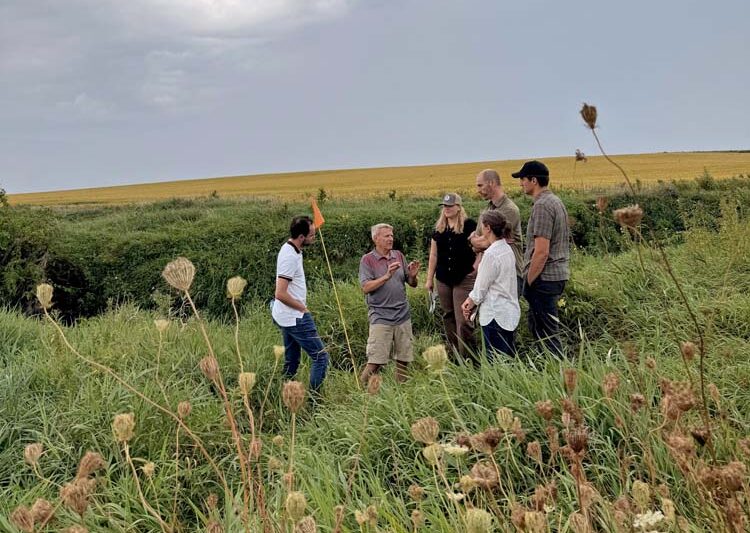
As we rode in Jon's ATV through the hundreds of acres of native grasses and flowers in full bloom, it became clear that Diversity Farms was aptly named. Jon only sources plant material from remnant sources, meaning the prairie in his fields—and thus the seed and starts that he eventually distributes to customers--is genetically similar to the native prairies that covered Iowa prior to European settlement. To ensure a high level of diversity, Jon uses seed that originates from 15-20 different remnant sites, some of which Jon himself owns in Carroll County.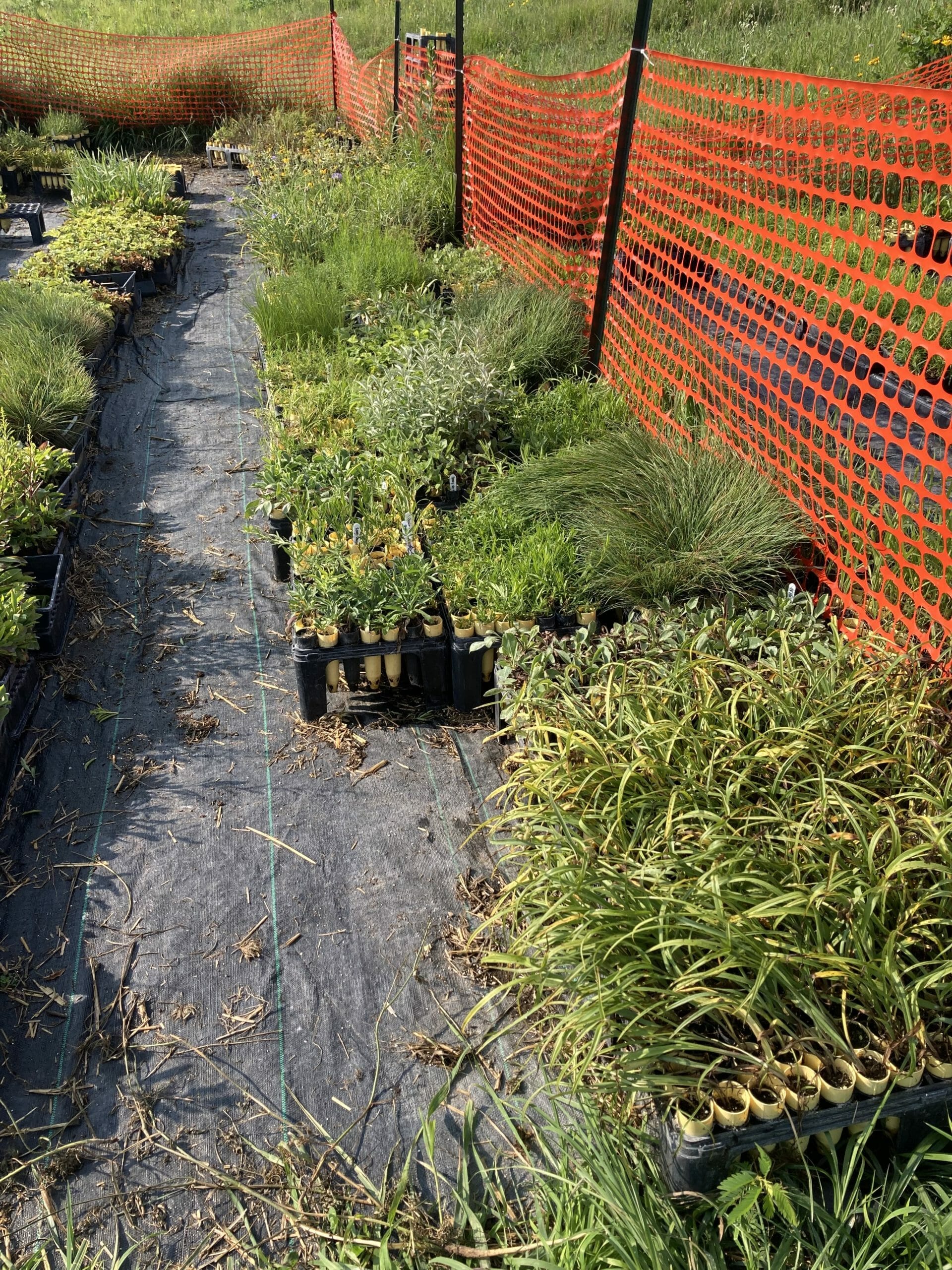
Cone-tainers: Distributing Plants

Conclusions
Jon and his partners have built Diversity Farms into a successful native prairie seed and start operation; because the farm is built around native prairie, Jon's operation is resilient, cost-effective, protects water quality and improves soil health. In the process, he's also serving a plethora of wildlife species that rely on prairie for survival. He's created a business that is healing Iowa's land using plants directly from Iowa's past and is helping others do the same by distributing the seeds and starts using innovative techniques.This material is based on work supported by the U.S. Department of Agriculture, under agreement number NR196114XXXXG003.
Any opinions, findings, conclusions, or recommendations expressed in this publication are those of the the author(s) and do not necessarily reflect the the views of the U.S. Department of Agriculture. In addition, any reference to specific brands or types of products or services do not constitute or imply endorsement by the U.S. Department of Agriculture.