Early Influence
The seeds of the Roelfs' interest in land and community stewardship are rooted in a mix of personal farm and local food experiences, a concern for the environment and a growing awareness in adulthood about food access and the importance of supporting local food farmers. Rose's parents both grew up near Sibley, Iowa, about 10 miles from the Minnesota border in the northwest part of the state. Her dad, Marty, a plastics engineer, grew up on a farm. His career took him out of Iowa and Rose was born in Delaware, but she and her family moved back to Iowa when she was four years old. In the late 1960s, Rose's parents purchased a farm outside Iowa City, and in 1971, when Rose was 6, the family moved onto the farm – the same land where Rose and Mike now live. “There were a few parcels involved throughout the years,” Rose says. “They purchased it from an estate. My family didn't actually farm the land, just rented it out. I lived out here I until graduated high school.” Growing up, Rose often helped with livestock-related chores on the neighbors' farms. Her mom, Shirley, also kept a big garden. “I always liked the ‘food for humans' side of production,” she says. “I was always out with my mom in the garden, and helped with canning, making jam, things like that.” Mike's family also had farm connections. His mother grew up on a farm near Clarence, Iowa, where his grandfather raised corn, soybeans and hogs, and where Mike spent weekends as a kid. His paternal grandfather was a farmer and cattle broker who ran a stockyard in Clarence. “My parents moved to Iowa City for education purposes and never left,” Mike says. “I lived in town, but my mom had a giant garden and canned, and did all those things.”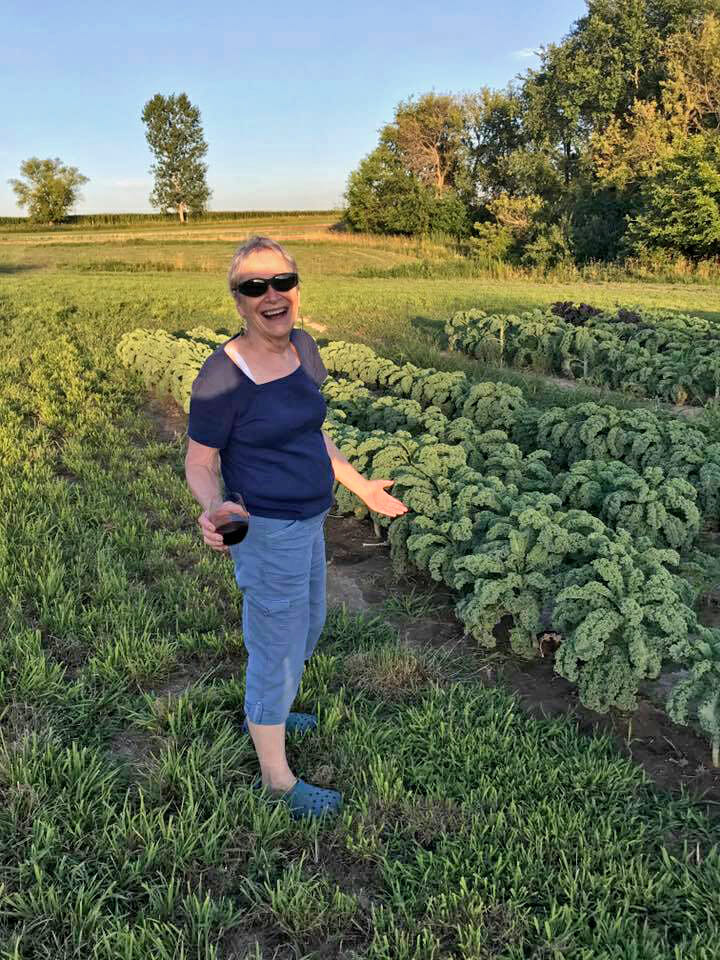
Transitioning the Land Fairly
The couple met while in high school in Iowa City and later moved to Tempe, Arizona to attend Arizona State University, where Mike studied computer science and Rose studied real estate and finance. In 1991, the Roelfs returned to Iowa to pursue their careers and raise their family. Today, Rose is a program manager at the Iowa City office of Pearson, a global company that specializes in educational learning experiences and assessment, and Mike does consulting work as an information technology specialist.“Our model of helping young farmers could work elsewhere. It doesn't have to be within a mile of a city. What we're doing is giving them access. We're taking people who have been relatively successful at growing things and giving them a leg up and a chance to make it a lifetime career.” -Mike RoelfThey knew they wanted to move out of the city at some point, and in 2014, Rose says the timing was right to explore the possibility of purchasing part of her family farmland. “Mom was in Houston at the time,” she says, “and we wondered if she would be interested in selling to us.” Rose's mom traveled to Iowa in the summer of 2014 to work on the transition process, and stayed for a few weeks to ensure it went smoothly. Rose and Mike purchased the land at market value and, Rose says, “made sure it was a fair transaction so my mom was fairly compensated.” Months before starting the formal transition process, however, as they were imagining how they might use the land, Rose and Mike spent significant time researching their options, connecting with local farms – and even gaining first-hand farming experience.
Clarifying Goals, Gaining Insights
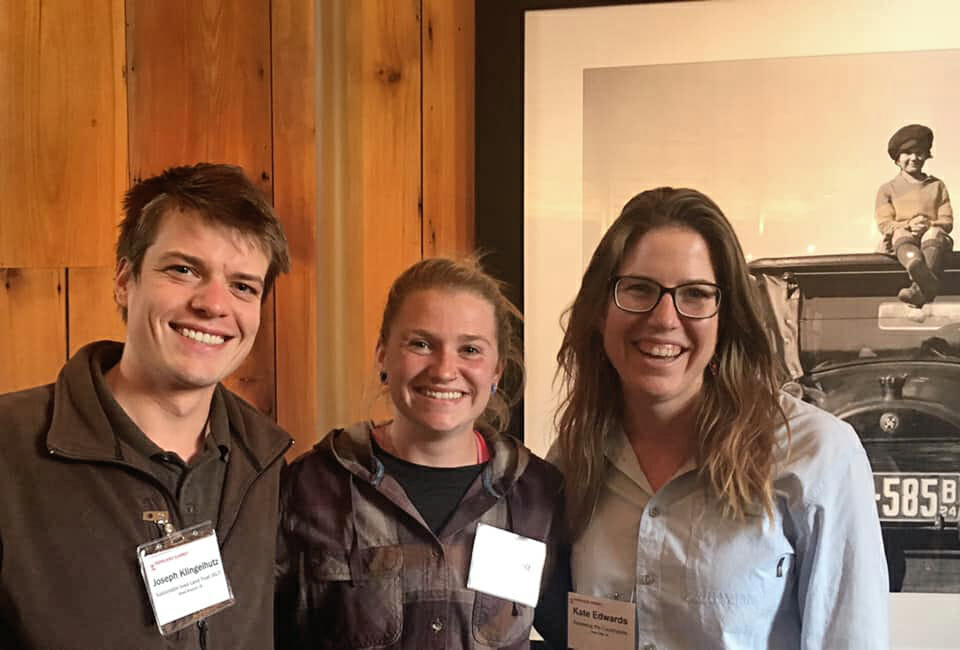
It was during this exploratory phase that Rose and Mike first formally connected with Practical Farmers of Iowa. The couple attended their first PFI annual conference in January 2014, where they signed up for the Holistic Management short course. “That was really impactful because it made us think about what our goals are, and the driving principles we're going to measure those goals against,” Rose says. “Thinking about all those things before purchasing the land was important.” “We went to PFI to help us look at whether what we're now doing with our farmland was a good idea,” Mike adds. “We wanted to repair the land, which is pretty sloping and had been row-cropped for 30 years. The soil needed rebuilding. The other goals were what can we do to help young farmers and address food insecurity?”“We wanted to start right away with cover cropping and rebuilding the soil. Those are some really early lessons we picked up from participating in PFI.” – Rose RoelfAs part of their research, the couple also got first-hand insights into the realities of running a vegetable farm today and the challenges beginning farmers face. They visited other farms in the area, and in 2014 Rose participated in PFI's Labor4Learning program, working with Susan Jutz, who hadn't yet retired from her long career operating ZJ Farm near Solon, Iowa. “I was the world's oldest intern,” Rose quips. Rose and Mike also knew PFI member Dick Schwab, a fellow co-worker at Pearson, where all three had worked. At the time, Dick was leasing some of his land near Solon to Kate Edwards, who had started Wild Woods Farm on the property. Rose and Mike arranged to volunteer with Kate several times.
Putting Farmland Vision Into Practice
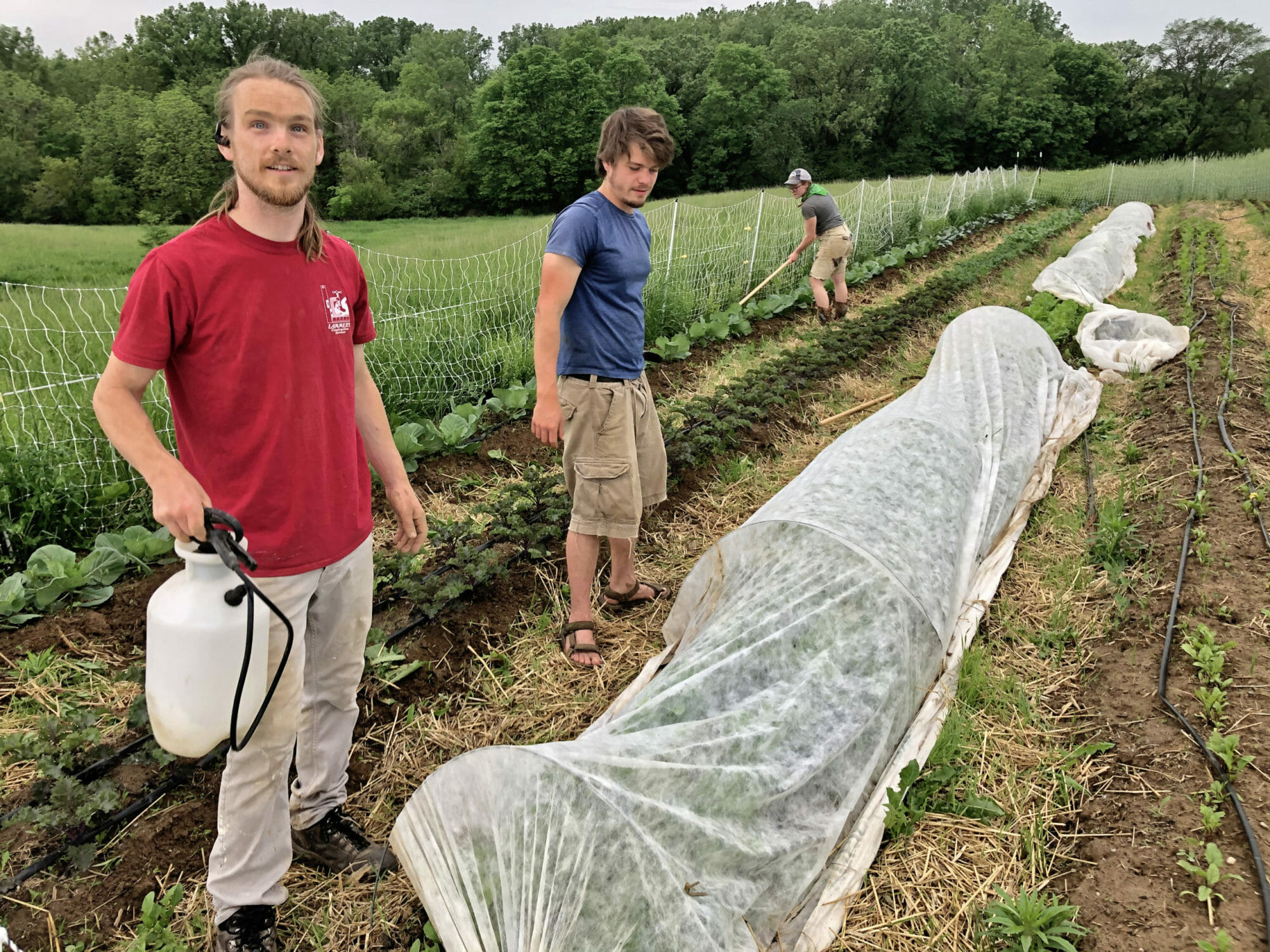
Once the farmland transition was complete, the Roelfs didn't waste any time putting their vision for the land into action. “We closed on the farm in August, and before the beans were harvested, we had oats flown on,” Rose says. “We wanted to start right away with cover cropping and rebuilding the soil. Those are some really early lessons we picked up from participating in PFI – both from the conference, and we went to a lot of field days before we bought the farm.” In the summer of 2015, Rose and Mike took the next big steps towards fulfilling their farmland goals. Kate was losing her lease and, aware of the Roelfs' interest in land access issues, approached them about moving Wild Woods Farm to their land. A key challenge, though, was the lack of infrastructure on the Roelfs' land – the Roelfs hadn't even built their house yet. The trio addressed the situation with a thoughtful lease agreement that took into account land access and financial considerations, as well as the Roelfs' conservation goals. Because short-term leases are a common land access barrier, they set up a five-year lease, with a provision that Kate could exit early if she found another farm opportunity. The Roelfs also designed the lease so Kate would own and build equity in the barn, which included an apartment for her to live in – and it stated that Rose and Mike would purchase the barn from Kate when she left. Finally, the lease contained a conservation plan and agreements for using cover crops, eliminating non-organic pesticides and practicing crop rotation. Thinking through the best way to handle infrastructure costs and ownership was also part of the process. Kate helped Rose and Mike determine the best placement for the irrigation and buildings, and the infrastructure eventually came to include, in addition to the barn, a walk-in cooler, germination house, packing shed, equipment storage area and irrigation. “Mike and I put in and owned all of the irrigation. Kate built the barn and added the cooler,” Rose says. “She also put up the germination house and sold it to Corbin when she moved. So we all own a bit of the infrastructure.”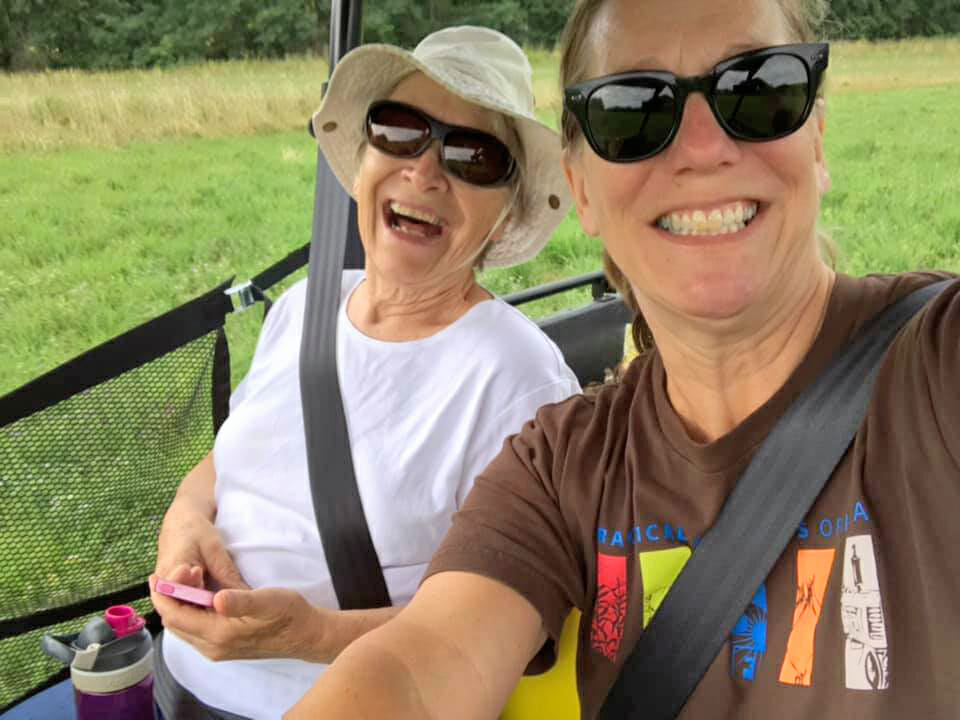
Connecting with Tenants
Small Plots, Big Impacts
Leasing land to these beginning farmers also directly links with the Roelfs' goal of addressing food insecurity. Both Kate and Corbin donate food to the local food pantries, Rose says, which goes to people with food insecurity. “Corbin also donates to some organizations in Cedar Rapids to stock the community refrigerators with fresh food. That's really important to us.”