Restoring Pollinator Habitat
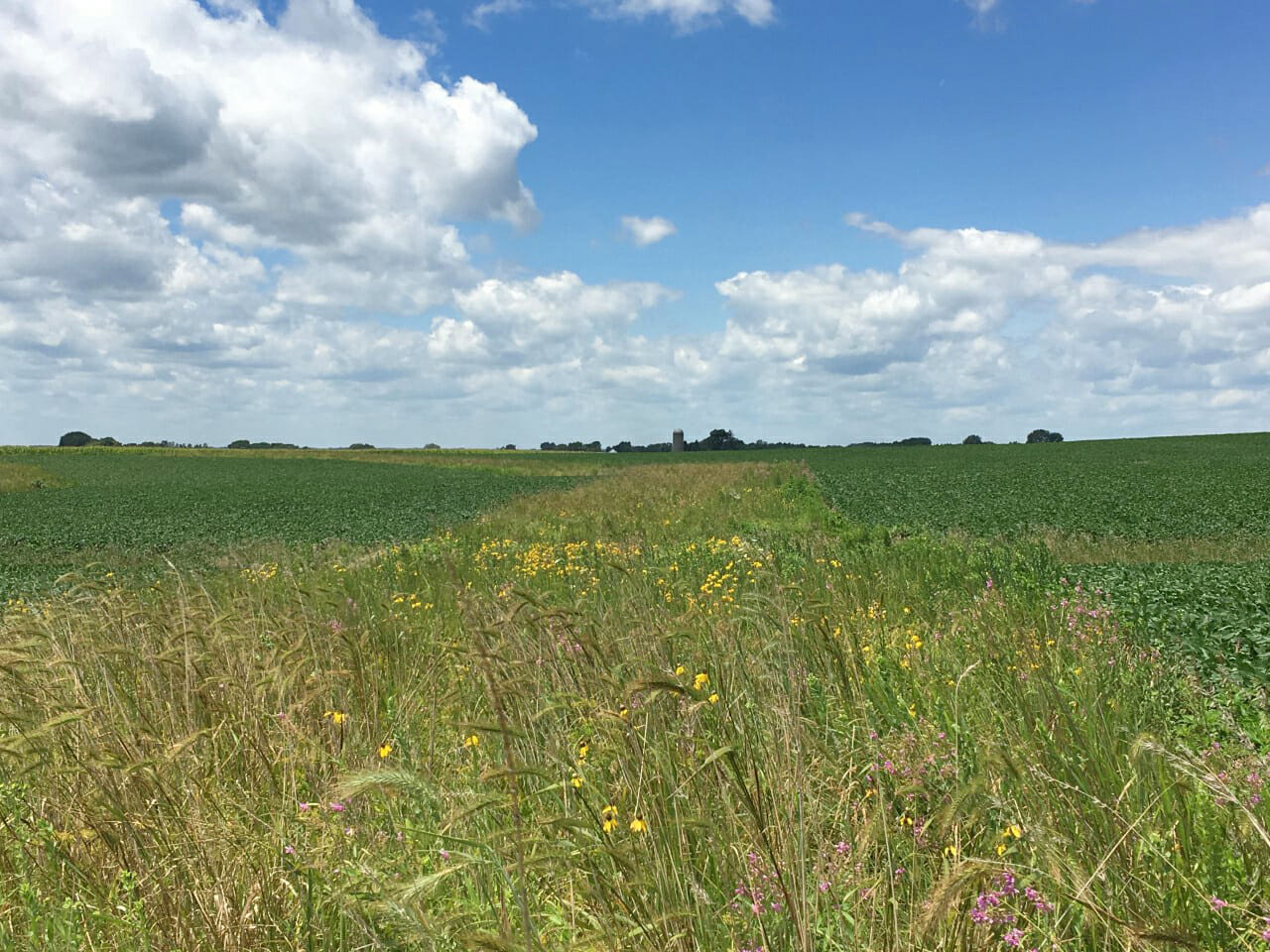
“I went out there and was stunned by the level of buzzing insects, especially the number of bumblebees, and I had an epiphany: What if I could increase the numbers of those insects from my childhood around my home?” - Gary GuthrieFor Gary, the results of that first half-acre prairie planting awed him – and ignited his resolve to do even more. He has since installed over 4 acres of prairie strips on his farm, each containing around 150 species of grasses and forbs. He has taken care to include early-flowering trees and shrubs, which are often the only natural nectar sources for newly awakened pollinator species in the early spring.

Planting Trees for Bees
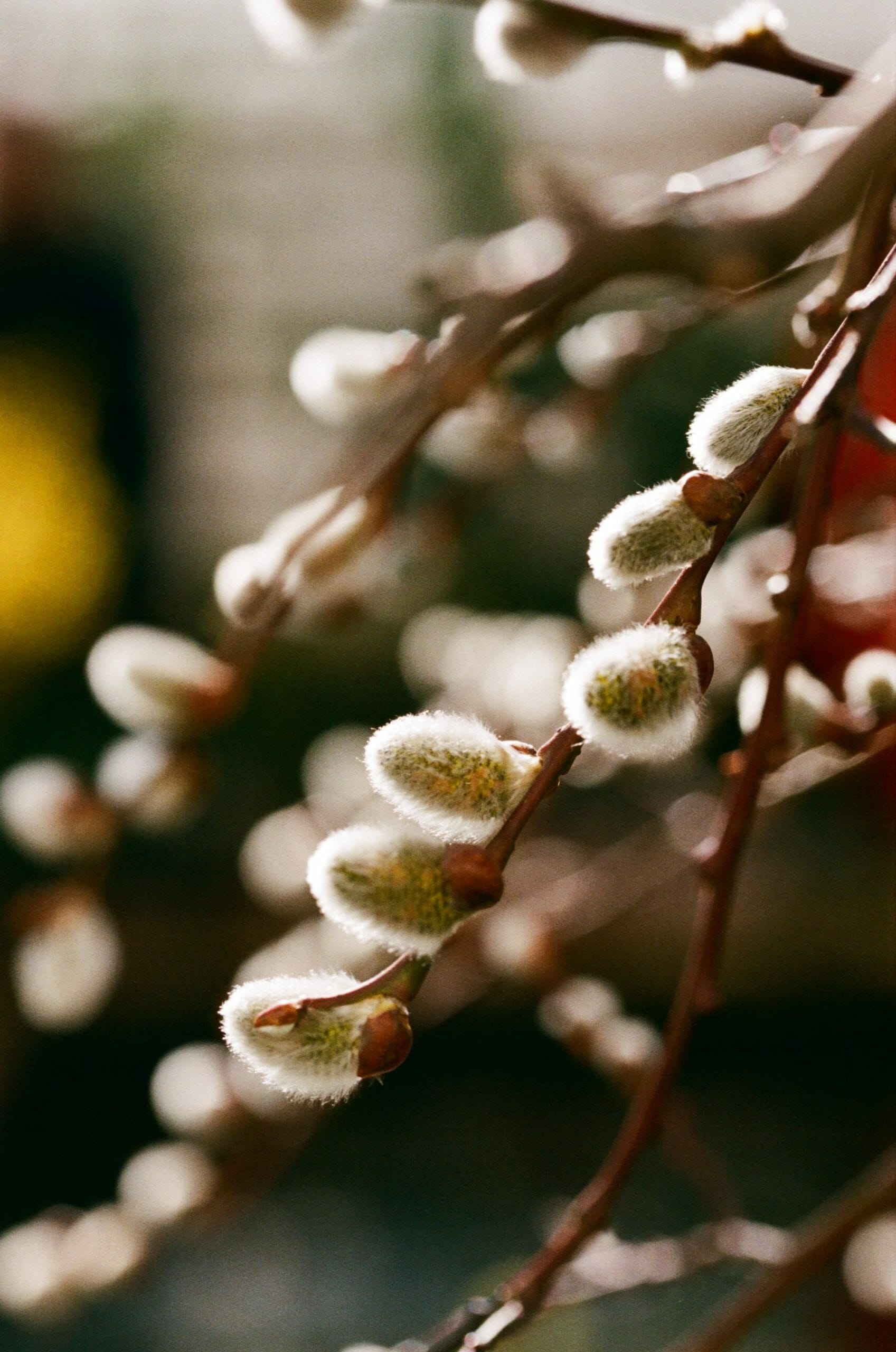
Gary's efforts have resulted in an oasis of early-spring foraging opportunities for pollinators on his farm. Beyond planting prairie strips, Gary has also left many of the trees on his farm in place, including a crab apple and several maples. “I have seen bees and other insects crawling around on them when nothing else is growing or in bloom yet,” he says. Cara Marker-Morgan and Lance Brisbois of Golden Hills Resource Conservation and Development in Oakland, Iowa, confirm Gary's observations. Maintaining tree rows, they say, is the best way to support pollinators in early spring. Across Iowa's landscape, however, many trees are being removed. “Out here in southwest Iowa, we're seeing lots of tree rows being removed, especially along waterways,” Lance says. “Not only is that permanent cover being removed, but many of those tree species serve as an early food source for pollinators.” Cara says many trees are removed as farms get larger and landowners buy adjacent land. “They remove the fence and tree rows to create larger tracts, not considering that trees are the first sustenance source for pollinators – particularly oak and maple varieties, which flower long before flowering grasses,” she says. “Leaving as many trees in place as possible creates that pollinator foundation and habitat that the entire food web depends on. That is something landowners can do now.” Planting trees is also an easy way non-farmers can help provide essential early-spring pollinator food, says Zach Burhenn of Iowa Native Trees and Shrubs. “And it's great, because trees can be placed anywhere, from large farms to suburban yards and lining city streets,” he says. “And they are all going to serve as either habitat or nectar sources in winter and the beginnings of spring.”“Giving pollinators everything they need to thrive – like the trees, dandelions and urban gardens in the early spring – is really the best way to protect all beneficial insects that we depend on into the future.” - Dean Coleman
Sparing the Dandelions
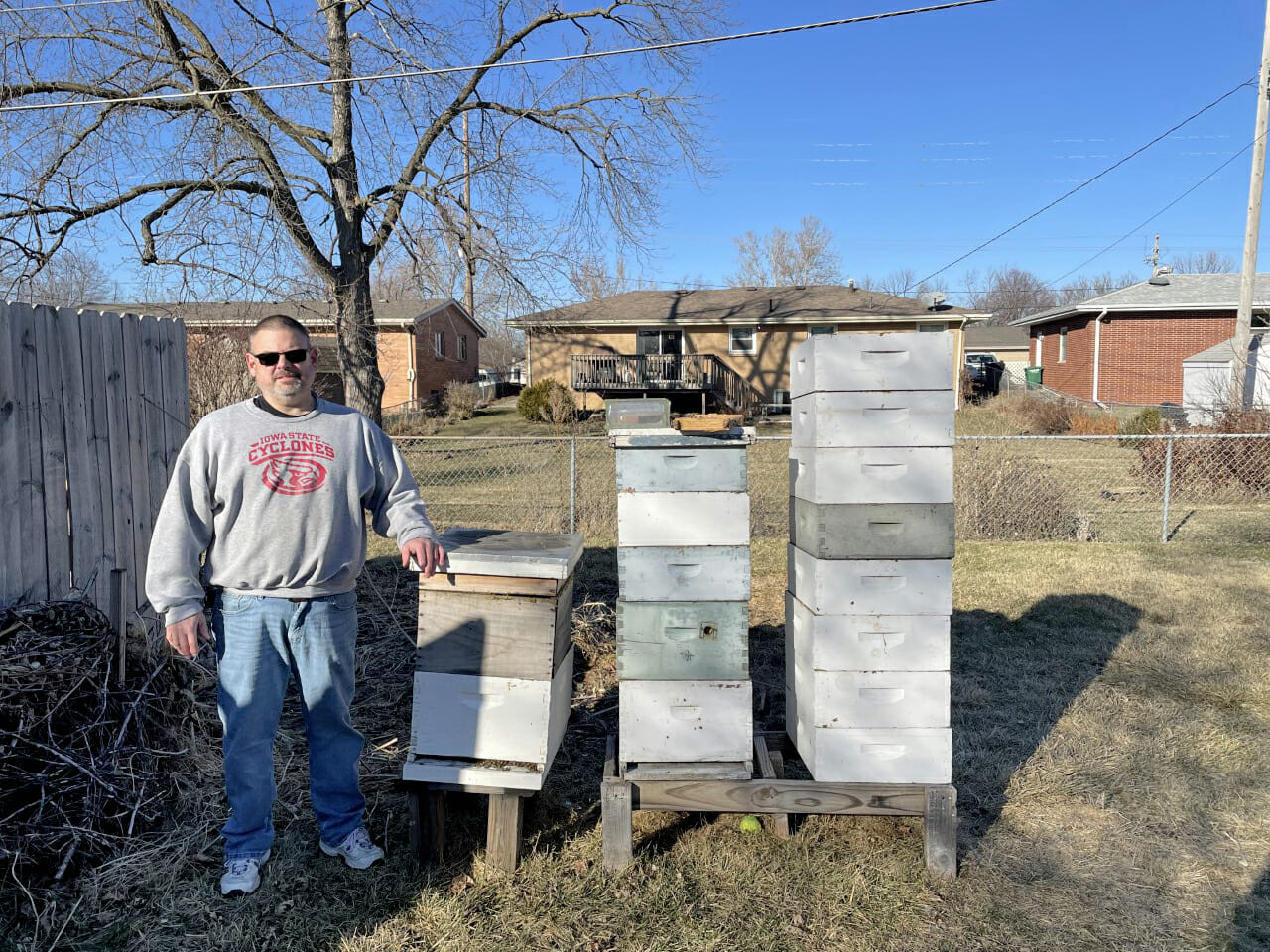
Bee enthusiast Dean Coleman, who runs a successful and growing honey business, Sweet Endeavors, in the heart of urban Ankeny, Iowa, says providing a big acreage is not a necessity when it comes to caring for pollinators. “I got into this venture on almost a whim,” Dean says. “I looked at my wife one day and stated that I needed a hobby, preferably one that would pay for itself. That's how Sweet Endeavors came to be.”